REVIEW · SAN DIEGO
San Diego: Whale Watching Tour – Flagship Cruises & Events
Book on GetYourGuide →Operated by Flagship Cruises and Events. · Bookable on GetYourGuide
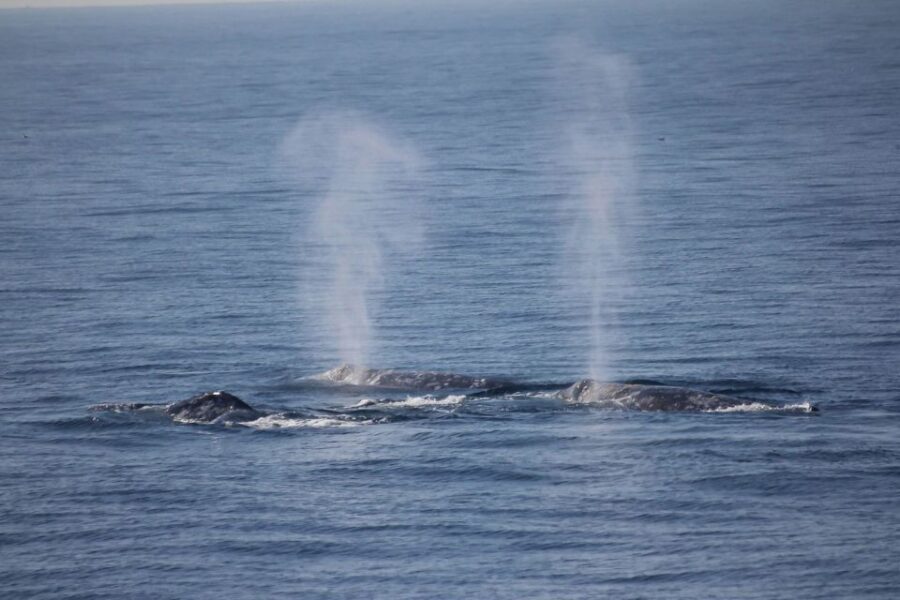
Grey whales make people stop talking.
This tour turns that wow moment into a hands-on ocean outing: you leave San Diego Bay on a two-story yacht, then head into open water with live help from ocean guides. I like the mix of serious spotting time and real explanations, plus the big 360-degree views that make it easier to find spouts and fins. One thing to think about: the water can get choppy, so if you get seasick easily, plan ahead.
What makes it feel worth the time is the way you follow where whales are actually moving. You might head out a few miles early in the season, then go farther later on the northbound leg, and the spotting targets can change day to day. The boat also gives you practical comforts like free guest WiFi and multiple restrooms, which helps when you’re out there for 210 minutes.
In This Review
- Key takeaways before you go
- San Diego Bay to open ocean: how the 210-minute loop really plays
- The two-story yacht and 360-degree viewing: where you should stand
- Ocean experts on board: what the live commentary adds
- Grey whale odds: how close you might get and what else you can see
- Weather and comfort: layers, sun, and seasickness prep
- Price and value at $54: what you’re really paying for
- Who this fits best (and who should think twice)
- Should you book this Flagship whale watch?
- FAQ
- How long is the San Diego whale watching tour?
- How much is the ticket?
- Where do I check in before departure?
- What’s included with the tour ticket?
- Is food or drink included?
- What should I bring for the trip?
- Are pets allowed on the boat?
- Is the tour suitable if I get seasick?
- What happens if I do not see whales?
- Can I cancel and get a refund?
Key takeaways before you go
- Two-story yacht with 360-degree viewing lets you keep your eyes moving and your photos steady.
- Live expert commentary explains what you’re seeing, not just that you’re seeing it.
- Grey whale routes shift by day so you’re aiming for likely sightings, not a fixed shortcut.
- Possible free return if no whales removes some of the stress from the whale-watching odds.
- Cool bay weather is real even when the rest of San Diego feels warm.
- Onboard conveniences help on a long outing including free guest WiFi and multiple restrooms.
San Diego Bay to open ocean: how the 210-minute loop really plays
Plan for a full half-day on the water. This is a 210-minute experience that starts with check-in at the Flagship ticket booth before departure. Once you board, the early part of the ride is your warm-up: you’re cruising San Diego Bay with lots of sightlines, so you can get your bearings fast and learn what the crew expects you to look for.
Then comes the open-ocean phase. The whale-spotting plan isn’t a single straight line. Instead, you follow the whale migration path, and the best area can change from day to day. That’s part of why the tour can feel exciting even when the ocean is calm one morning and rougher the next: you’re not stuck staring at the same patch of water.
Also, it helps to understand how close you might be. Early in the migration season, whales can be closer to the coast, with the maximum distance often around 3–5 miles. On the return trip for northbound whales, the cruise may go farther out, sometimes up to 9–12 miles off the coast. Translation: you should expect some days to feel more “close and personal,” and other days to be more “search and scan.”
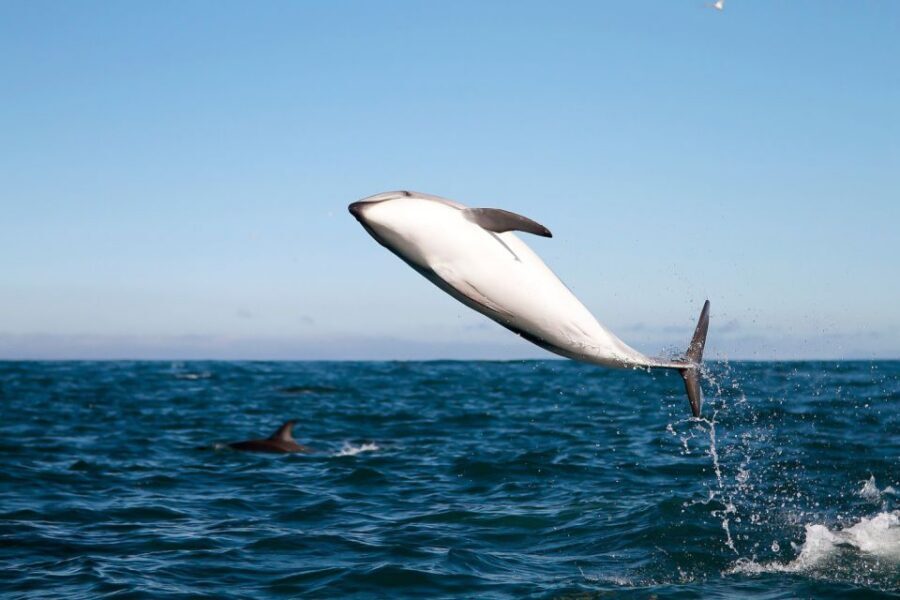
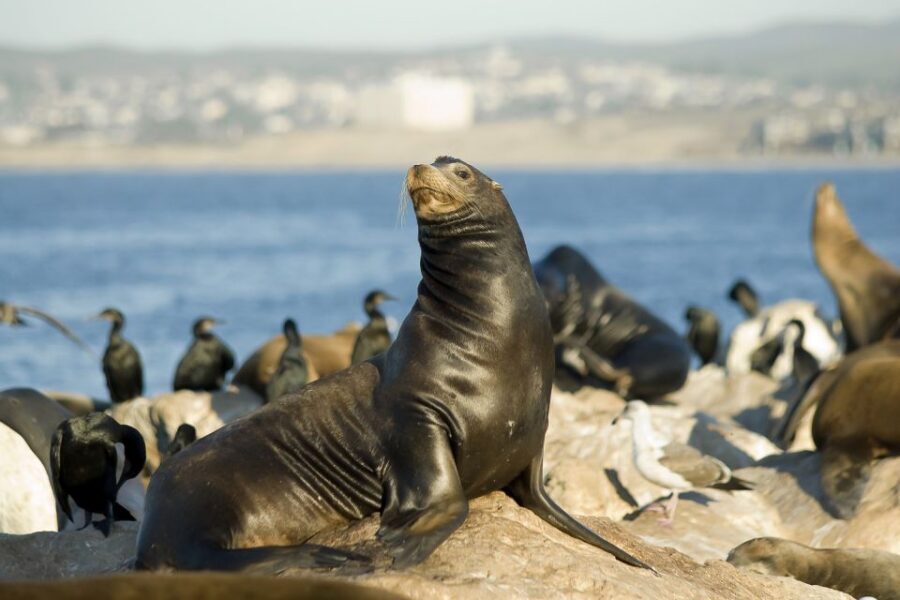
You’ll also stay alert for other marine wildlife along the way. Dolphins and sea lions are common companions on many outings, and seabirds often pop up around the route too. Even when whales take a little time, the cruise isn’t just waiting—it’s active ocean time with constant guidance.
Other San Diego tours we've reviewed in San Diego



The two-story yacht and 360-degree viewing: where you should stand
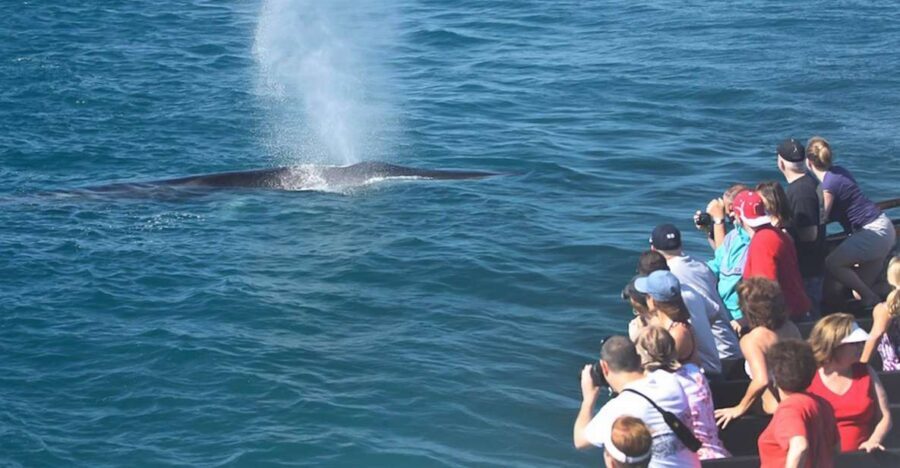
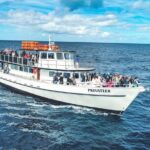
This is the kind of boat that helps you spot animals faster. The yacht is two stories, and you get open 360-degree views from both the main level and the upper sundeck. When a whale surfaces, it’s quick. More angles matter, and the layout makes it easier to rotate without feeling stuck.
The upper deck is your best bet if you want the broadest scan. The open-air setup also helps if you’re looking for faster spout spotting against the sky. The main level is more sheltered, which can be a relief when the wind picks up.
You’ll also want to know the practical stuff:
- Restrooms are downstairs, while the open exterior viewing area is upstairs. There are no elevators.
- Indoor main-deck areas are partially handicap accessible, and the overall experience is listed as wheelchair accessible.
If stairs are a challenge for you or anyone in your group, plan your movement before you leave the dock. Pick a viewing spot you can reach comfortably and then commit to it. On a boat, that can save you from unnecessary back-and-forth during a moment when the crew calls your attention to the water.
One more small but real advantage: you’re not stuck with one line of sight. You can move between levels as conditions change. That mobility is a big deal on a whale watch, because “best view” is often “best angle right now,” not “best view forever.”
Ocean experts on board: what the live commentary adds
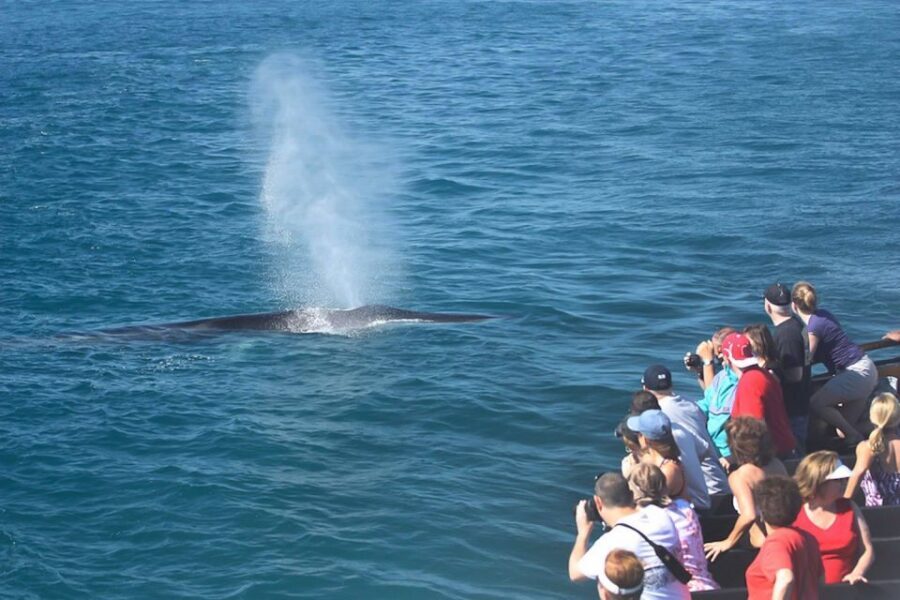
The best whale watch guides don’t just say, there’s a whale. They help you read the ocean. This tour does that with live commentary by ocean experts, so you understand what you’re seeing as it happens.
You’ll hear explanations tied to the ecosystem—how marine life connects, and what signals to watch for when the crew is targeting whales. That matters because whales and dolphins don’t show up like boats in a harbor. You may spot a blow, a flash of back, or movement that’s gone in seconds. When someone tells you what to look for, your brain stops guessing and starts tracking.
Some of the onboard education style has been highlighted by past passengers, including a biology-style guide using whale anatomy props such as whale vertebrae to make the biology stick. Other trips include captains and guides with strong personalities and constant updates—people have praised captains like Kevin and Brendan, and guides like Sophie for keeping the information flowing while directing attention to where the action is likely to be.
You’ll also benefit from the crew’s on-the-water communication. When they reposition you, it’s usually because they’ve found a cue worth checking. The result is less wandering and more purposeful scanning.
And yes, you’ll still enjoy it even if you’re a first-timer. The talking is paced for real life on a moving boat, and it’s practical: what you should watch for next, how to spot it, and why it’s happening in this part of the migration.
Grey whale odds: how close you might get and what else you can see
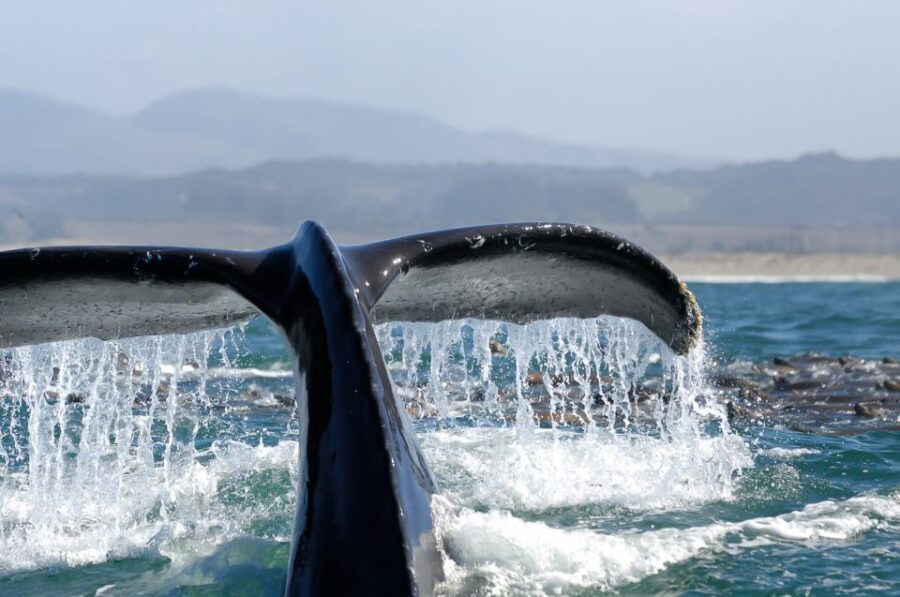
Let’s talk straight about the one part no one can guarantee: whale sightings depend on nature. Still, this tour is built around whale migration patterns, and the route changes based on where the whales are moving that day.
When whales are closer to the coast, you can get a more satisfying viewing experience because the maximum distance early in the season is often around 3–5 miles. On the return leg, northbound whales may be farther out, sometimes 9–12 miles offshore, which can mean smaller visual details at the surface. In either case, the crew’s job is to put you in the best spot they can find.
Now for the good news: gray whales aren’t the only stars. You should reasonably expect sightings that can include:
- Dolphins
- Sea lions
- Gray whales during migration windows
- Other marine life such as seabirds
This matters for your enjoyment. Even when whales are delayed, dolphins can keep the water lively. Past outings have described big dolphin pods spending time near the boat, and sea lions showing up in active feeding moments. That means your trip can still feel like a real wildlife outing, not a long lesson in patience.
One extra way the operator manages the risk: if you see whales, you’re set—but if you don’t, the tour notes that you may get to go out again for free on your next trip. That’s not a magic fix, but it’s a meaningful safety net for a pricey animal-that-moves experience.
Weather and comfort: layers, sun, and seasickness prep
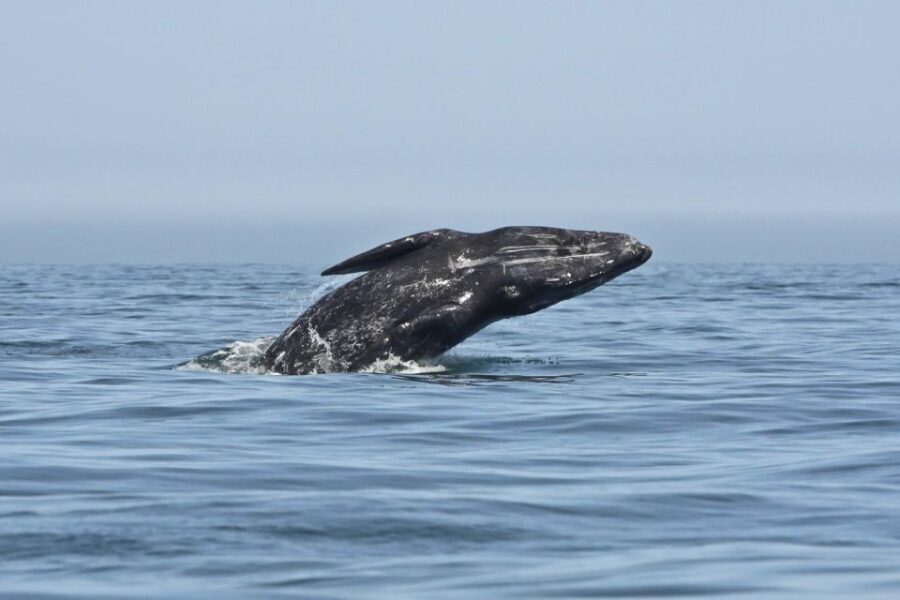
San Diego can trick you. On the bay, it can turn cool fast, especially once you’re offshore and the wind gets involved. This tour is 210 minutes, so “I’ll just tough it out” usually turns into “why did I wear just a T-shirt?”
Bring layers. Warm clothing and thermal items are the smart move, plus a sun hat for daytime scanning. Sunscreen helps too, because you’re staring at bright water and sky for a long time. A camera is also worth packing, and binoculars can be a big upgrade for spotting spouts and faster movements.
If you’re prone to seasickness, treat that as a serious warning. This experience lists it as not suitable for people prone to seasickness. The water can get choppy, with feedback describing noticeable motion on some days. Even if you’re usually fine, consider medication in advance if your body doesn’t love rocking boats.
Here’s a practical approach:
- Dress for cold wind, not for dockside sun.
- Stay toward the level that feels most comfortable for you when the motion increases.
- Bring binoculars so you can focus on something stable for your eyes, not just chase movement around the deck.
Also note the boat rules: no smoking, and pets aren’t allowed (assistance dogs are allowed). That keeps the experience comfortable for everyone when you’re packed near the viewing areas.
Other whale watching tours we've reviewed in San Diego

Price and value at $54: what you’re really paying for
At $54 per person, this tour isn’t cheap, but it also isn’t just a ferry ride with a chance of wildlife. You’re paying for three big things:
1) A two-story yacht built for viewing
2) Time on open water during whale migration routing
3) Live interpretation from ocean experts
The 210-minute length matters for value. Short tours often feel rushed. Here, you have enough time for repositioning, scanning, and waiting for animals to do their thing. That extra time is what makes the guidance useful. The guides can teach you what to look for because you have repeated chances to apply it.
Included in the price:
- Cruise on a two-story whale watching yacht with 360-degree views
- Free guest WiFi
- Commentary and tour led by ocean experts
Not included:
- Food and drink
In real terms, that means you can plan meals on land or grab snacks if the boat offers them for purchase. Some past passengers have mentioned a bar onboard and drink options, so you might find ways to take the edge off a breezy day, but budget like food and drinks are on you.
So is it worth it? If you want a structured ocean outing with real spotting help, it fits well. If you hate boats, hate motion, or are only chasing one specific animal, you’ll feel the uncertainty more strongly.
Who this fits best (and who should think twice)
This whale watch works best for people who enjoy nature, can handle changing ocean conditions, and want more than just a quick look. It’s a solid choice if you like:
- Wildlife viewing with guided context
- A longer outing with multiple opportunities to see animals
- Big viewing angles and easy deck scanning
It’s also friendly for families in the sense that young kids can ride. Children 3 and under ride for free, which helps families manage costs.
If you’re wheelchair users, it’s listed as wheelchair accessible. Still, remember the indoor main deck is only partially accessible and there’s a stair layout for restrooms versus open-air upper areas, with no elevators. If mobility support is limited, it’s worth thinking through where you’ll spend most of your time on board.
And if you’re prone to seasickness, this is a tough one. The tour explicitly notes it isn’t suitable for people prone to seasickness. If that’s you, you’ll likely get more stress than fun out there.
Should you book this Flagship whale watch?
I’d book it if you want a classic San Diego ocean experience with real interpretation and practical viewing space. The two-story setup and 360-degree scanning make spotting more doable, and the live ocean commentary turns sightings into understanding. The free return if you don’t see whales also reduces the frustration that can come with wildlife trips.
I’d skip it if you know your stomach doesn’t handle boat motion, or if you only want a guaranteed whale close-up. Ocean timing can’t be forced. This tour is about putting you in the best possible place and teaching you how to look.
If you go, do the boring prep: layers, hat, sunscreen, camera, and binoculars. On a day when the ocean cooperates, this turns into one of those San Diego moments you’ll remember long after the salt air leaves your clothes.
FAQ
How long is the San Diego whale watching tour?
The duration is 210 minutes.
How much is the ticket?
The price is $54 per person.
Where do I check in before departure?
Check in at the Flagship ticket booth before departure.
What’s included with the tour ticket?
You get a cruise on a two-story whale watching yacht with 360-degree views, free guest WiFi, and live commentary led by ocean experts.
Is food or drink included?
No. Food and drink are not included.
What should I bring for the trip?
Bring warm clothing, a sun hat, a camera, sunscreen, and binoculars. Thermal clothing is also suggested.
Are pets allowed on the boat?
Pets are not allowed. Assistance dogs are allowed.
Is the tour suitable if I get seasick?
If you are prone to seasickness, this tour is not suitable.
What happens if I do not see whales?
The tour notes that if you do not see whales, you get to go out again for free on your next trip.
Can I cancel and get a refund?
Yes. You can cancel up to 24 hours in advance for a full refund.