REVIEW · SAN DIEGO
San Diego Whale Watching Cruise
Book on Viator →Operated by Flagship Cruises Events · Bookable on Viator
Sunsets at the pier are not the only draw.
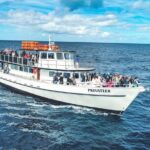
This 3.5-hour San Diego whale-watching cruise is set up for people who want wildlife time without eating your whole day. You’ll pick a morning or afternoon departure, board from 990 N Harbor Dr, and spend the ride learning how whales move through the ocean—and what else shares the water with them. One of the biggest strengths is the onboard guidance, including visual teaching moments like a baleen demo, and named guides in the mix such as Becca.
What I like most is the balance of comfort and information: you get indoor and outside seating, plus an energetic guide who points out what to look for when whales surface. The other big win is the value for the time: at about $54 for a half-day, it’s one of the easier ways to spend an afternoon or morning in the bay and open water. The main drawback to plan for is that whale sightings aren’t guaranteed, and you’ll be on a moving boat—so pack for wind and consider seasickness help if you’re prone.
In This Review
- Key highlights for your watch list
- A half-day San Diego whale cruise that still leaves room for your day
- Price and timing: what $54 buys you in real-world value
- Meeting at 990 N Harbor Dr: getting settled fast
- Dress for wind, not just sunshine
- On the water: how the guide helps you spot gray whales
- Indoor vs outdoor seating: what to choose before you leave the dock
- What you might see besides whales (and why that still counts)
- Morning vs afternoon departures: same odds, different mood
- The rules that protect whales (and keep the experience ethical)
- Weather and cancellations: the sea decides sometimes
- Who should book this cruise, and who should think twice
- Should you book this San Diego whale watching cruise?
- FAQ
- Where does the whale-watching cruise start?
- How long is the cruise?
- Is the ticket mobile?
- Do I have a choice of indoor or outdoor seating?
- What should I wear?
- Is food and drink included in the price?
- What if I get seasick easily?
- Can I bring a service animal?
- Is morning or afternoon better for seeing whales?
- What happens if the cruise is cancelled due to poor weather?
- What is the cancellation window for a full refund?
Key highlights for your watch list
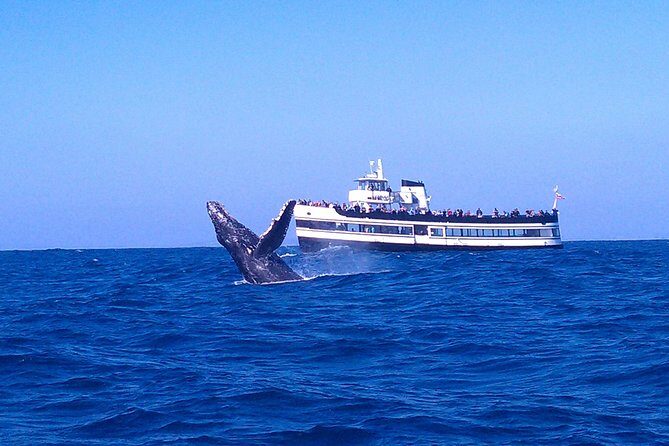
- Indoor + outdoor seating: easier comfort when the wind kicks up
- A naturalist-style talk with visual aids: including teaching examples like baleen
- Gray whales are the focus: often seen as sudden surface pops or big splashes
- Same odds morning or afternoon: whales do not follow a schedule that matches your itinerary
- Smallish crowd (max 100): more room to move on deck
- Dolphins often steal the show: even on trips when whales are harder to spot
A half-day San Diego whale cruise that still leaves room for your day
San Diego does coastal days well. This cruise fits into that rhythm. You’re out long enough to actually get into whale-watching mode, but short enough that you can still have a full afternoon (or morning) for beaches, tacos, or a second activity back on land. The timing matters because wildlife watching can be a little unpredictable. When the day can flex around the cruise, it feels less like a gamble and more like a plan with backup.
The boat ride is built around a simple promise: look with your eyes, learn what you’re seeing, and stay patient. The guide’s role isn’t just trivia. You’ll get explanations about ocean habitat, whale behavior, and migratory patterns. That helps you scan smarter instead of just staring at water and hoping.
Other San Diego tours we've reviewed in San Diego



Price and timing: what $54 buys you in real-world value
At about $54 per person for roughly 3.5 hours, this is the kind of activity that can fit a midrange vacation budget without turning into a “special splurge only” event. The price also makes sense when you think about what you’re paying for: a guided experience, a yacht-style ride, and access to the bay/open-water viewing experience.
Two timing notes that matter:
- You can choose a morning or afternoon departure, depending on your schedule.
- On average, it’s commonly booked around a week in advance, which tells you it’s popular and may sell out on peak days.
Also, you’re not stuck with just one “type” of ocean entertainment. Multiple trips include dolphins, sea lions, and other wildlife—so even if the whales don’t show as hoped, the outing can still feel like time well spent.
Meeting at 990 N Harbor Dr: getting settled fast
You’ll meet at 990 N Harbor Dr, San Diego, CA 92101, and the cruise ends back at the same meeting point. That “back where you started” detail is practical. It means you can plan transportation without worrying about a complicated end location.
Aim to arrive at least 30 minutes early. Not because you need to be extra, but because it’s better to get calm, find your seat, and get your layering sorted before you start moving across the water.
The tour uses a mobile ticket, which is convenient if you’re juggling phone maps and reservations. And the cap of up to 100 travelers is a real quality-of-life factor. It’s usually easier to reposition for a better view and less likely to feel like sardines.
Dress for wind, not just sunshine
Here’s where people often overthink it. On the water, conditions can flip fast. Even when it looks like a nice day, wind and spray can make you cold. The tour suggestion is simple: dress in layers.
I’d treat this as your packing rule:
- Bring something warm for your upper body
- Keep an extra layer in your bag or on your person so you can adjust quickly
Also, if you’re prone to seasickness, plan ahead. The guidance is very specific: medication only works when taken before boarding. Wristbands for motion sickness can also help, and you can buy medication items at a drug store ahead of time. On board, Dramamine is available for purchase, which is useful if you forget or wait too long.
Don’t wait for the boat to feel bad before you do something about it. If you know your triggers, solve the problem before you feel it.
On the water: how the guide helps you spot gray whales
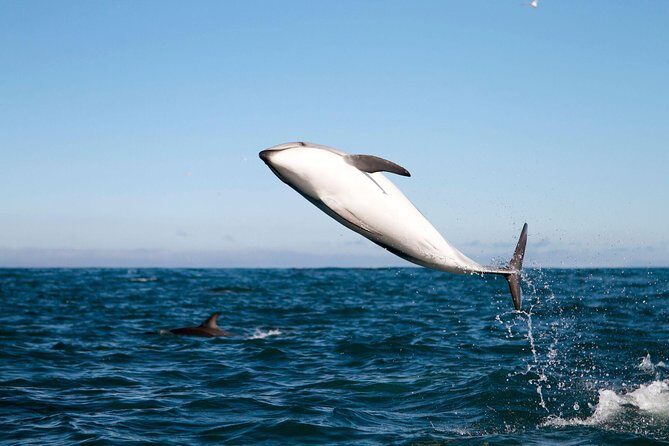
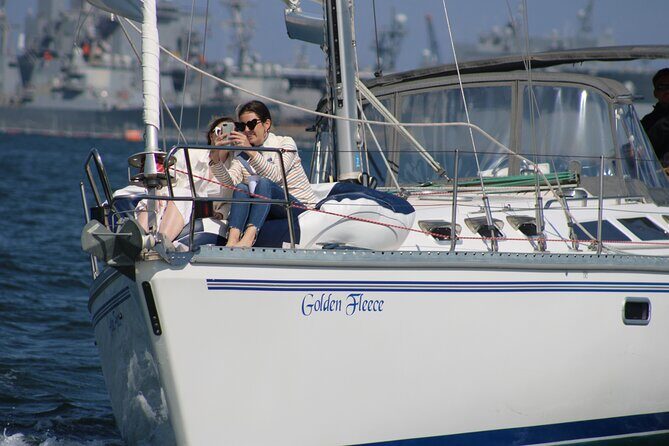
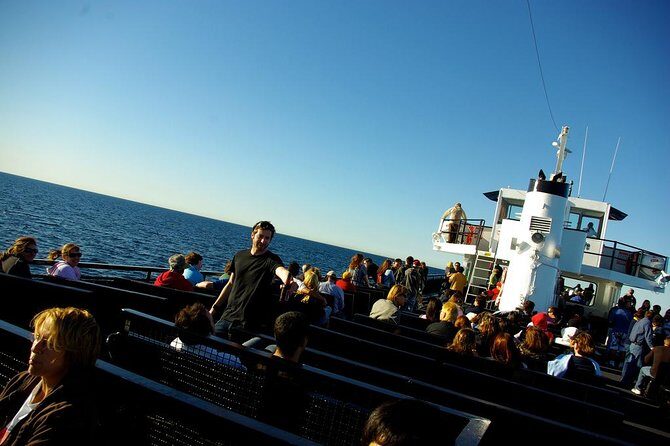
Once you board, you’ll pick a spot on either the indoor or outdoor deck. That choice matters because it changes your comfort more than you might expect. Outdoor space is great for spotting, but indoor space can save you when the wind gets sharp.
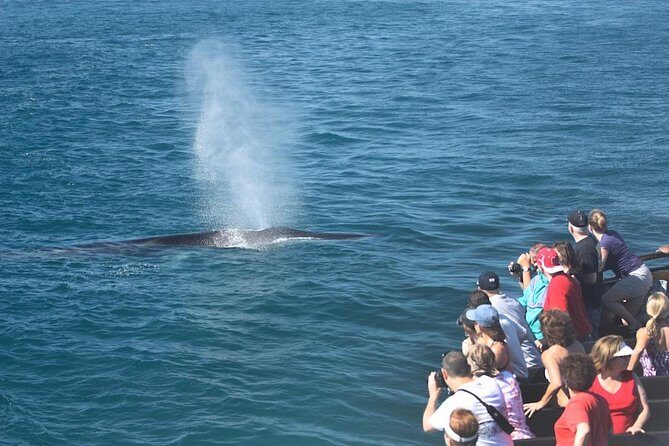
The cruise experience is more than just cruising. The guide actively points out what to look for and why it matters. You’ll hear about:
- whale behavior and why whales surface when they do
- migratory patterns (including the idea of migration between Alaska and Mexico, as described in the experience)
- the ocean ecosystem and other species you might see alongside whales
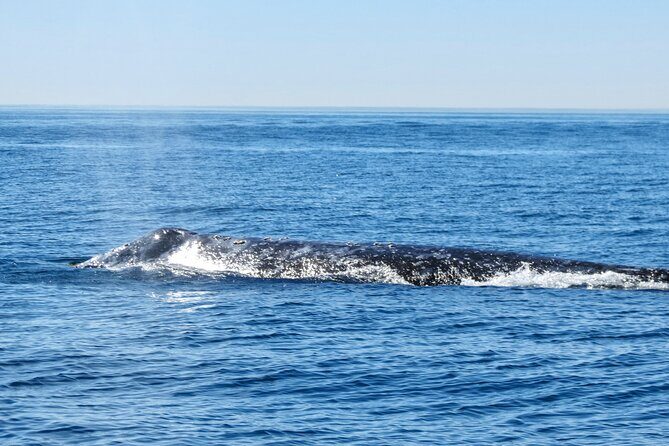
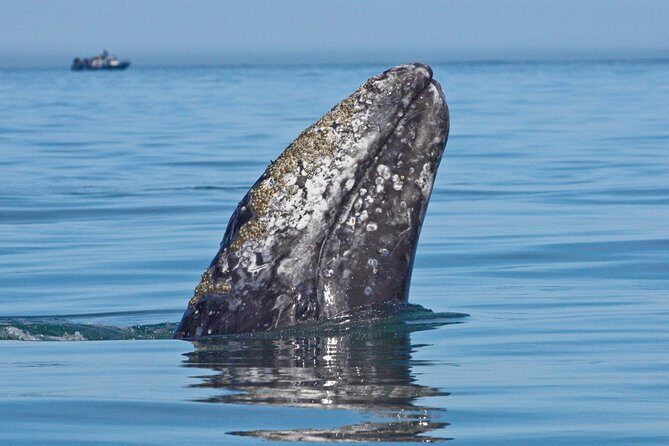
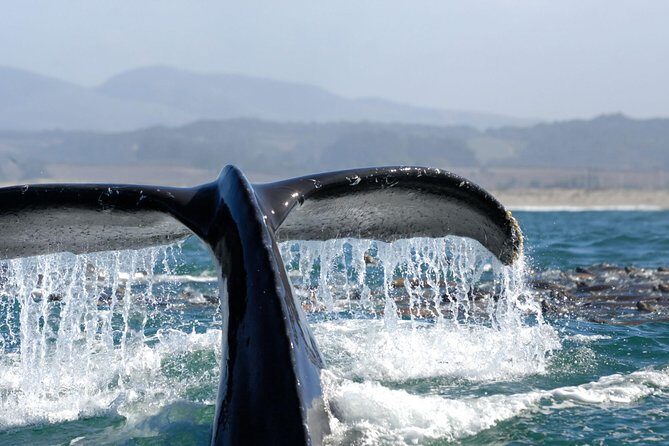
Gray whales are the star. Sometimes sightings look like almost nothing at first—then a quick surface pop turns into a bigger moment. Many encounters come with a huge splash when they surface and move. Other times, you may see them more briefly, like a flash of activity before they disappear again.
A standout detail from experiences on this cruise is that the guide may use visual aids. One trip featured a baleen plate example and a clear explanation of what you’re looking for when gray whales feed. That kind of teaching can change your whole experience. You stop watching randomly and start watching with a purpose.
Other whale watching tours we've reviewed in San Diego

Indoor vs outdoor seating: what to choose before you leave the dock
You can’t optimize everything at once, so decide based on your comfort style.
Outdoor deck:
- Best if you want the quickest visual scanning
- Best if you don’t mind wind and cooler air
Indoor deck:
- Best if you tend to get chilled
- Best if you want a steady place to observe when the boat motion feels stronger
Because you have both, you’re not stuck with one setting. If you start cold, you can move inside. If you want a more direct view, you can step out when the guide calls attention to activity.
This flexibility is one reason the cruise feels easier for first-timers. You don’t have to “commit” to being uncomfortable the whole time.
What you might see besides whales (and why that still counts)
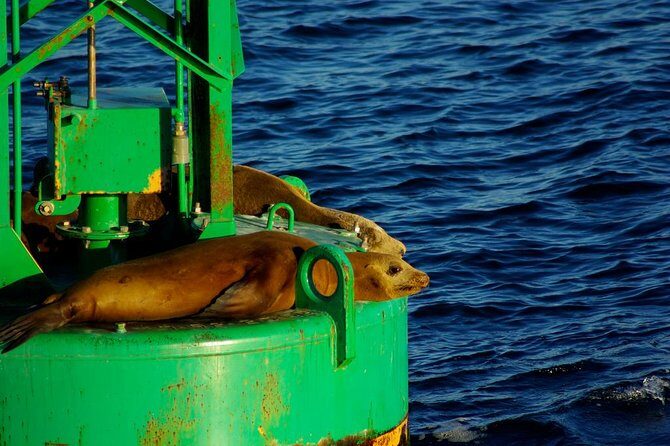
Even on dedicated whale cruises, the ocean has its own plans. You might catch whales, or you might catch the second-wave show: dolphins, seals, sea lions, birds, and other marine life.
Based on what’s happened on past departures, common add-ons include:
- dolphins in large groups, sometimes moving alongside the boat
- sea lions and similar coastal wildlife
- birds and other signs of marine activity
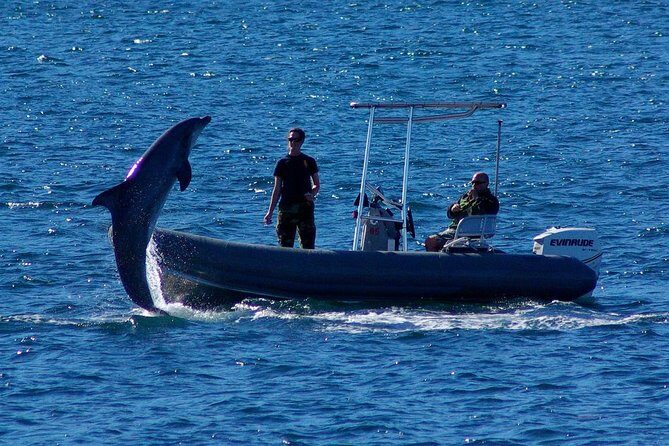
On some trips, dolphins can become the main event, including playful behavior around the boat’s wake. That may sound like a “bonus,” but it’s not minor. Dolphins are a real part of the ecosystem you’re paying to see, and they often make the ride feel alive even when whales are distant.
If you’re coming for education as much as for sightings, the guide’s talk helps connect the dots—why different animals show up, how they share feeding and movement patterns, and how the ocean works as a system.
Morning vs afternoon departures: same odds, different mood
Here’s a helpful truth: the cruise states that the chance of spotting whales is exactly the same whether you choose the morning or afternoon departure. Whales don’t follow your calendar, and neither does the ocean.
So how do you choose? Pick based on the rest of your day:
- Morning departure can feel calmer and gives you the afternoon free
- Afternoon departure can fit a later start if you’re touring other parts of San Diego first
Since the odds are the same, your best decision is the one that makes you less rushed. A relaxed arrival and a comfortable start often lead to a better wildlife experience, because you’re not stressed while you’re trying to watch.
The rules that protect whales (and keep the experience ethical)
This is not a touch-and-go wildlife moment. There are clear rules:
- No touching whales
- No feeding whales
- No petting whales
That’s how you keep this about watching rather than interfering. It also keeps the cruise focused. When the environment stays respectful, you’re more likely to enjoy the ride without distractions.
Weather and cancellations: the sea decides sometimes
Whale watching is weather-dependent. The experience notes that if your departure is cancelled due to poor weather, you’ll be contacted in the morning at the phone number you provided. You’ll get a choice: reschedule for another day or receive a full refund.
This is worth paying attention to when you plan your overall trip. If your schedule is tight, build in a little flexibility so a weather shift doesn’t wreck your vacation day.
Who should book this cruise, and who should think twice
This cruise is a strong fit if:
- you want a half-day wildlife outing
- you enjoy guided learning while you watch
- you want a decent shot at gray whales, with dolphins and sea life as frequent companions
- you like having both indoor and outdoor options
It might take extra planning if:
- you’re sensitive to motion and you haven’t considered seasickness steps
- you expect a guaranteed whale sighting and can’t handle disappointment if whales are quiet
Also, it helps to arrive with realistic expectations. When whales are active and nearby, it can be spectacular. When they’re farther out, the experience can still be valuable through education and other wildlife sightings.
Should you book this San Diego whale watching cruise?
I’d recommend booking if you want a guided, comfortable half-day at sea that’s designed for watching smart, not just watching randomly. The value is strong for the time, and the setup is practical: indoor/outdoor seating, a manageable group size, and a guide who brings the science in a way you can actually use while scanning the water.
I’d hesitate only if you’re booking during a period when you’re especially pressed for time and can’t flex for weather, or if you know motion makes you miserable and you haven’t planned your seasickness strategy in advance.
If you can dress in layers, take care of seasickness, and treat whale sightings as a chance rather than a certainty, this is a very solid way to spend time on the water in San Diego.
FAQ
Where does the whale-watching cruise start?
The meeting point is 990 N Harbor Dr, San Diego, CA 92101, USA. The tour ends back at the same meeting point.
How long is the cruise?
It’s about 3 hours 30 minutes.
Is the ticket mobile?
Yes. The tour uses a mobile ticket.
Do I have a choice of indoor or outdoor seating?
Yes. Seating is available indoors and outdoors.
What should I wear?
The tour suggests dressing in layers. Temperature and winds can change even when it looks sunny.
Is food and drink included in the price?
No. Snacks and food and drinks are not included. (You can still find a bar on board in practice, but it’s not described as included in the tour price.)
What if I get seasick easily?
Plan ahead. Seasickness medication only works when taken before boarding. Wristbands for motion sickness can also help and can be purchased at drug stores. Dramamine can also be purchased on board.
Can I bring a service animal?
Yes. Service animals are allowed.
Is morning or afternoon better for seeing whales?
The chances are stated to be exactly the same for morning vs afternoon. Whales don’t follow a schedule that matches your departure time.
What happens if the cruise is cancelled due to poor weather?
If it’s cancelled due to poor weather, the provider contacts you in the morning and offers you a reschedule for another day or a full refund (your choice).
What is the cancellation window for a full refund?
You can cancel up to 24 hours in advance for a full refund. If you cancel less than 24 hours before the start time, the amount paid is not refunded.