REVIEW · SAN DIEGO
City Cruises San Diego: Whale and Dolphin Watching Adventure
Book on Viator →Operated by City Cruises California · Bookable on Viator
Gray whales, right off San Diego. This 3-to-4 hour Pacific cruise pairs a skipper’s spotting game with volunteer naturalists from the San Diego Natural History Museum, so you’re not just waiting for a spout. You’re also learning why these animals show up when they do, while the harbor skyline slips by from the Navy Pier area.
Two things I like a lot are the hands-on narration during the hunt and the option for indoor windows or deck time depending on how windy the water feels. One realistic consideration: whale sightings are wildlife sightings, so you might spot whales from farther out than you hoped, even though the trip includes a whale-check if you do not see whales.
In This Review
- Key points you’ll care about
- Launching from San Diego’s harbor: Navy Pier vibes and real viewing time
- Boat comfort for wind, spray, and motion (yes, bring layers)
- What you’re hunting for: the gray whale migration (and why the timing works)
- The crew and San Diego Natural History Museum volunteers: turning sightings into stories
- What happens during the cruise: scanning, repositioning, and staying with a sighting
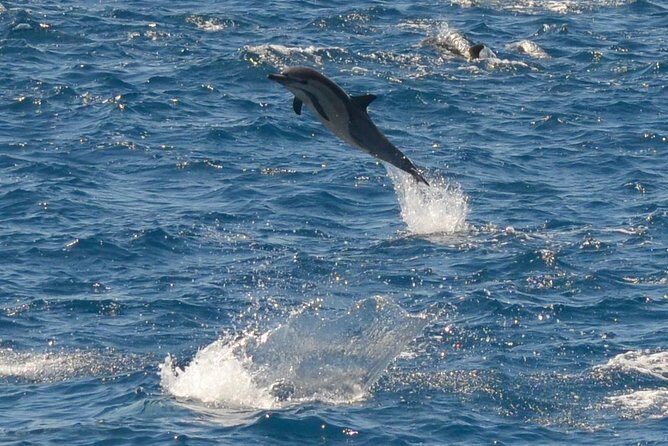
- Animals beyond whales: dolphins and sea life tend to show up more often
- The whale-check guarantee: how they handle the one thing you cannot control
- Price and value: is $56.92 a smart use of your time?
- Who should book, and who should rethink it
- Quick practical tips that make a difference
- Should you book City Cruises San Diego?
- FAQ
- How long is the whale watching cruise?
- Do you offer morning and afternoon departures?
- Where do I meet the tour?
- Is food included on board?
- Do I need to wear a life jacket during the cruise?
- What kinds of animals might I see besides whales?
- What happens if whales are not spotted?
- Can I cancel for free?
Key points you’ll care about
- Gray whale migration made understandable: you’ll hear the Arctic-to-Baja story as sightings happen.
- Big-boat comfort: indoor seating with windows plus an outdoor deck, so you can switch spots.
- Museum naturalists on board: extra context on marine life, not just generic facts.
- Crew that keeps searching: captains and first officers work to keep you in the right zone for longer.
- Whale-check guarantee: if whales do not show, you’re offered a return option.
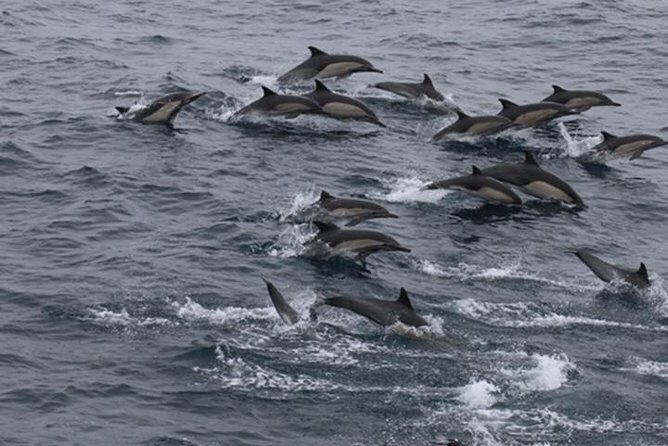
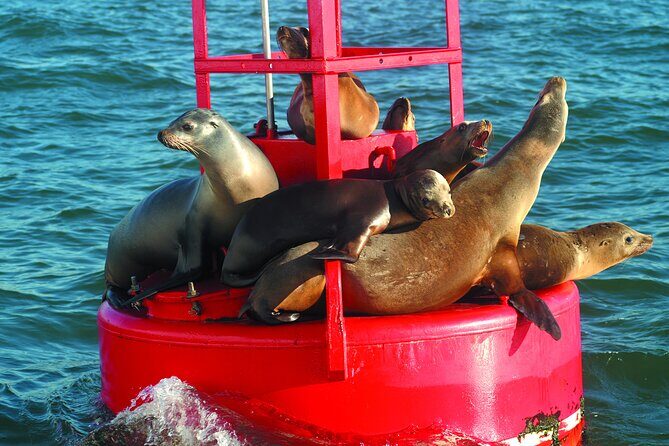
- More than whales: dolphins, sea lions, seals, and seabirds often steal the show too.
Launching from San Diego’s harbor: Navy Pier vibes and real viewing time
San Diego’s waterfront makes this kind of outing feel easy. You start at City Cruises San Diego Whale Watching & Harbor Tours at 970 N Harbor Dr, which sits right by the Navy Pier area. Plan to arrive 30 minutes early so you can get checked in and find your preferred seat without rushing.
Timing matters. You can pick a morning or afternoon sailing, which is handy if you’re juggling other San Diego plans like neighborhoods, museums, or a beach break. And the harbor layout helps: you’re not starting out in some remote marina where you’ll lose time just getting oriented. From the water, you get that quick “I’m actually out here” feeling, with the city skyline and local landmarks around you while you scan for marine life.
Other San Diego tours we've reviewed in San Diego



Boat comfort for wind, spray, and motion (yes, bring layers)
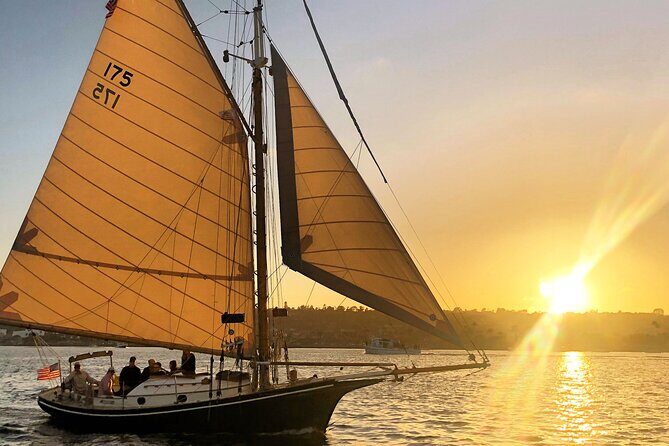
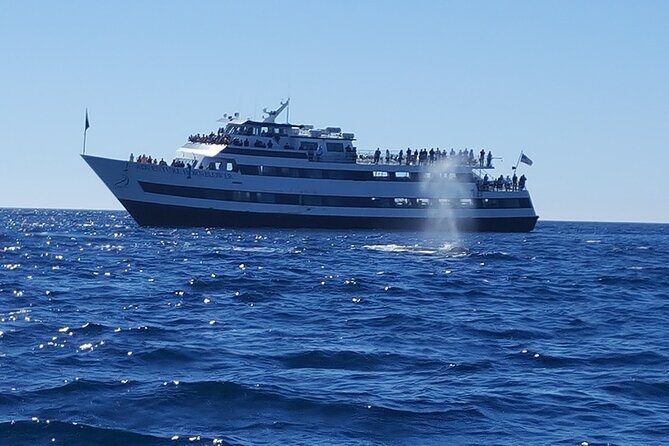
This cruise runs on a sturdy vessel with both indoor and outdoor seating. That matters because conditions can change fast. On calm water, the deck is great for photos and watching for spouts. When the wind and spray show up, indoor windows let you keep watching without turning your trip into a cold-water endurance test.
There’s also practical stuff on board. You’ll find restrooms and a small bar area where snacks and beverages can be purchased (including alcohol). That’s useful if you want to stay out on the deck longer or you’re doing a non-stop day.
If you’re even slightly prone to motion sickness, take it seriously. One review tip worth copying: consider taking Dramamine before departure. Also, walking around takes more effort on moving water, so keep an eye on kids if you’re traveling with them.
Safety is handled the expected way: there are personal flotation devices for all guests (you do not need to wear them during the cruise). If you want children to wear their PFDs, you can request that in the booking notes.
What you’re hunting for: the gray whale migration (and why the timing works)
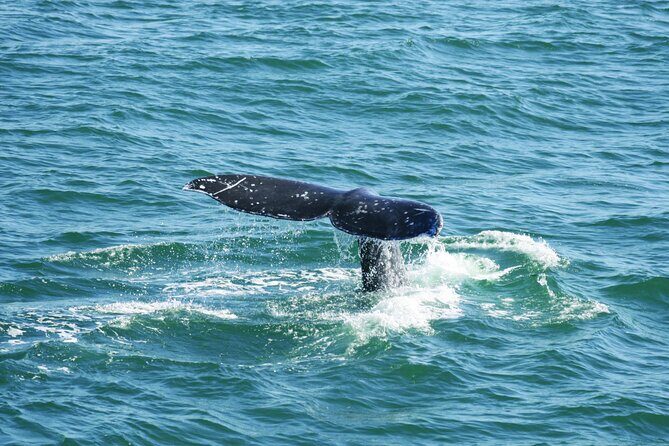
Between December and April, gray whales make a long coastal migration along North America’s route, traveling about 6,000 miles. The big idea you’ll hear again and again on board: they move from cold feeding waters in the Arctic region to warmer breeding grounds in Baja California, then head back north later.
This isn’t just a trivia lesson. It helps you understand what you’re seeing when whales appear near the coast and why calves sometimes show up swimming alongside their mothers. When a crew explains the life cycle in real time, your viewing feels less random. You start spotting not only whales, but also the context behind the sightings.
Now, important expectation-setting: this tour is built around gray whales, but whale watching is never guaranteed. That said, you may also see other species such as dolphins and sea lions frequently, and in some seasons and conditions you might even get luckier with whales beyond gray (reviews mention fin whales, humpbacks, and a blue whale sighting).
The crew and San Diego Natural History Museum volunteers: turning sightings into stories
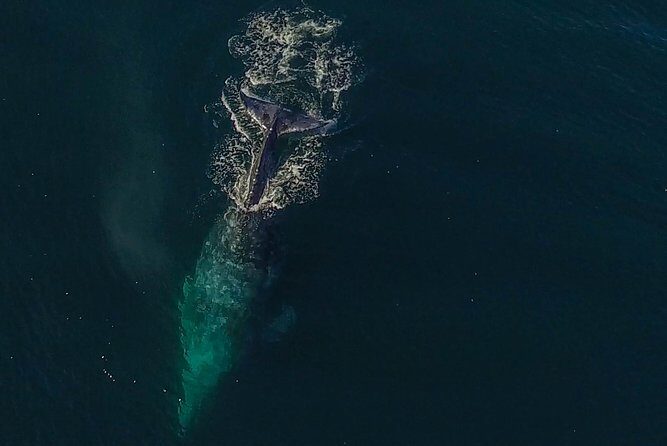
A whale cruise can turn into either two hours of scanning—or a real learning experience. This one tends to go the first direction in the best way: the crew narrates what you’re seeing, and volunteer naturalists from the San Diego Natural History Museum add context and answer questions.
I like this setup because it gives you more than “there are whales.” You get the why: how migration works, what behavior you might notice, and how the animals interact with the marine environment. It also helps when you don’t know what to look for. The captain’s job is spotting; the volunteers’ job is helping you interpret.
In reviews, names pop up that make the experience feel more personal. People mention Captain Rick for finding whales and keeping the group in position. They also call out Kyle for keeping the attention on whale tracking, and a museum staff member named Ken for pre-boarding explanations. Even without those specific names in front of you, the pattern is clear: you’re meant to leave knowing how to spot and understand what you saw.
What happens during the cruise: scanning, repositioning, and staying with a sighting
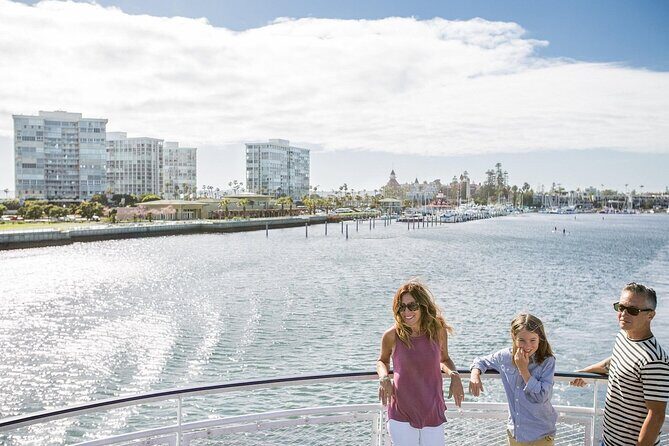
The outing is designed around real time on the water, not just “depart and hope.” The whale watching cruise runs about 3 hours in Dec–Apr and about 4 hours in Jun–Sept, depending on season. Either way, you’re out long enough for the crew to search, check likely zones, and reposition if the action moves.
One big comfort factor: you can change where you watch. Indoor seating lets you relax and keep eyes on the water through windows. Outdoor deck space lets you feel the weather and take photos when animals are closer to the surface. Reviews also mention that the boat feels spacious enough to move around and spread out rather than being packed like a commuter ferry.
What it feels like varies day to day. If whales are active, you may get extended viewing as the captain tracks them. If sightings are fewer, you’ll still get a marine-life “tour” of the area: dolphins often move fast and show up in groups, and sea lions and seals can pop up where you least expect them.
Other city tours we've reviewed in San Diego






Animals beyond whales: dolphins and sea life tend to show up more often
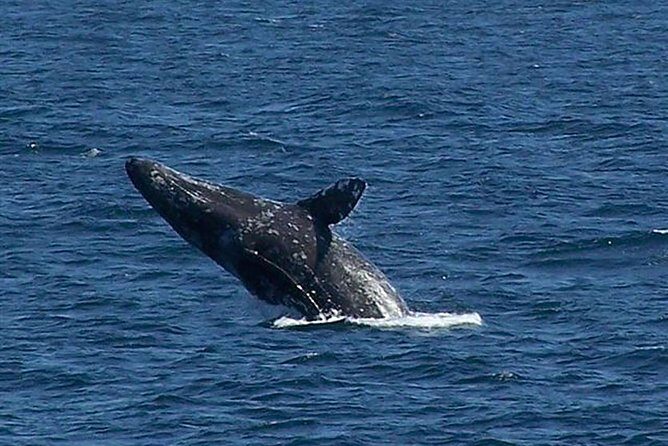
Even when whales are distant, this is still often a fun cruise because the Pacific doesn’t limit itself to one star. You can expect the chance to see dolphins, seabirds, sea lions, and seals. That variety matters for two reasons.
First, it reduces the odds that the entire trip hinges on one perfect moment. Dolphins and birds can appear in feeding patterns, and sea lions sometimes hang around areas where the water offers opportunity.
Second, it keeps your attention engaged when visibility is tough. On choppy days, it’s easier to spot surface activity like dolphins and birds. Then, when a whale does show up, you’ve already built the habit of watching carefully.
Reviews include sightings of dolphins in the hundreds and close, enthusiastic pods. That lines up with why I think this tour works for first-timers: you’re not only hoping for a whale; you’re also likely to see plenty of other marine life while searching.
The whale-check guarantee: how they handle the one thing you cannot control
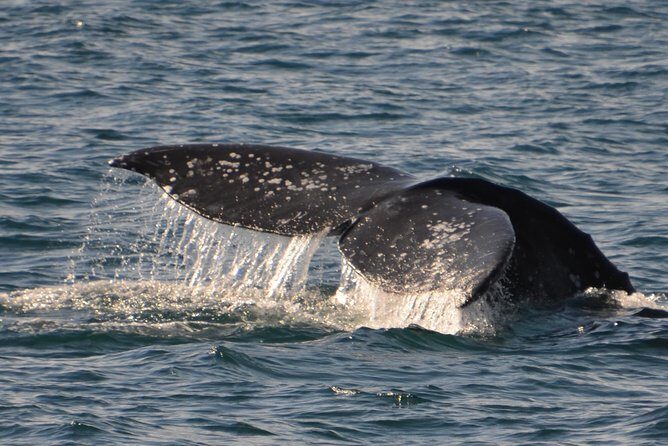
Wildlife viewing has one cruel rule: the animals don’t read schedules. This tour responds with a simple promise. If whales are not sighted during your cruise, you receive a whale-check for another complimentary whale-watching or harbor tour.
That doesn’t erase weather problems or the reality of distance, but it does change the risk level. You’re paying for a guided search and education, not betting your whole day on one animal making a surprise appearance right near the boat.
Reviews back up how this plays out. People describe leaving without whales but receiving a voucher/return option. So if whales are your top priority, the guarantee is a meaningful part of the value, not just fine print.
Price and value: is $56.92 a smart use of your time?
At $56.92 per person, this cruise sits in a reasonable range for San Diego whale watching, especially because the price includes narration and fees and taxes. The real value question isn’t the sticker price. It’s what you get if the day goes well versus if it doesn’t.
Here’s the practical breakdown:
- You get real time on the water with a crew actively searching for marine life.
- You get onboard commentary plus museum naturalists, which turns the cruise into an education session you can’t replicate from a shoreline.
- You get a whale-check if whales aren’t sighted, which reduces the chance of a total miss.
- You do not get food included, but you can buy snacks and drinks onboard.
Also factor in the hidden costs of being in San Diego: parking near the pier area can add up. One review notes paid parking nearby around $15 for about 6 hours at Midway Pier. If you’re coming by car, I’d plan for that so the final budget doesn’t surprise you.
Overall, I’d call the price fair-to-good. It’s not cheap enough that I’d treat it as a casual impulse buy, but it’s not so pricey that I’d avoid it. With the whale-check protection and the museum volunteer component, it feels like a solid value for a half-day.
Who should book, and who should rethink it
This tour fits best if you want a guided whale-and-dolphin search with serious interpretation. It’s also a strong choice for families because there’s plenty to watch even if whales are slow to show.
Book it if:
- You’re going in Dec–Apr and want a chance at gray whales during migration.
- You want a captain who keeps scanning and narrating, not just a boat ride.
- You value learning what you’re seeing, since museum volunteers join the experience.
- You have even mild motion sensitivity and can plan for it with layers and possible motion-sickness help.
Reconsider it if:
- You need guaranteed close whale sightings. Wildlife viewing just doesn’t work that way.
- You’re traveling on a tight schedule and cannot tolerate weather-driven changes. This tour requires decent conditions to run as planned.
- You dislike cold wind and can’t manage layers. Reviews mention cold/rain and strong wind at times, so bring a jacket.
Quick practical tips that make a difference
- Bring a jacket even if the weather looks mild on land. Wind on the water is real.
- If you get motion sickness easily, consider taking something before you go, as one reviewer recommended.
- Choose your seat strategically. Indoors for comfort, deck for visibility and that full-on “out at sea” feeling.
- Expect that some whales may be seen from farther out than you dreamed. The captain’s job is to locate whales; your job is to stay patient and keep scanning.
Should you book City Cruises San Diego?
My take: if you’re visiting San Diego during the gray whale season (Dec–Apr), this is an easy “yes” to consider. The combination of active search, onboard narration, and museum volunteers gives the day structure. And the whale-check turns the biggest uncertainty—whether whales show up—into something you can live with.
If you’re the type who gets frustrated by wildlife randomness, you might feel uneasy. But if you’re excited to be on the water, learn what migration means, and watch dolphins and sea life along the way, this is a strong way to spend a half-day.
FAQ
How long is the whale watching cruise?
It runs about 3 hours in Dec–Apr and about 4 hours in Jun–Sept, depending on the season.
Do you offer morning and afternoon departures?
Yes. You can choose a morning or afternoon tour time.
Where do I meet the tour?
Meet at City Cruises San Diego Whale Watching & Harbor Tours at 970 N Harbor Dr, San Diego, CA 92101. Plan to arrive about 30 minutes before departure.
Is food included on board?
No. Food and drinks are available to purchase onboard.
Do I need to wear a life jacket during the cruise?
No. Personal flotation devices are on board for all guests, but you do not need to wear them during the cruise (you can request that children wear them).
What kinds of animals might I see besides whales?
The tour highlights the chance to spot dolphins, sea lions, seals, and seabirds, along with gray whales if conditions are right.
What happens if whales are not spotted?
If whales are not sighted during your tour, you receive a whale-check for another complimentary whale-watching or harbor tour.
Can I cancel for free?
Yes. Free cancellation is available up to 24 hours in advance for a full refund. The experience may also be offered a different date or a full refund if canceled due to poor weather, or if a minimum traveler requirement isn’t met.