REVIEW · SAN DIEGO
Semi-Private Surf Lesson
Book on Viator →Operated by San Diego Surf School · Bookable on Viator
Your first wave can feel impossible. This 90-minute semi-private surf lesson turns that fear into a plan, with coaching on a clean, calm San Diego beach plus fundamentals you can use right away. I love the small-group feel, because it means you get real feedback instead of one-size-fits-all instructions. I also like that a quality surfboard and wetsuit rental are included, so you show up with basically just a swimsuit and sunscreen. The one consideration: the ocean can be bigger than true absolute-beginner expectations, so you’ll want to treat this as learning coaching for real surf, not gentle kiddie waves.
You’ll meet at 4850 Cass St, San Diego, CA 92109, get geared up, then spend the session mixing beach lessons with time on the water. The vibe stays friendly and practical, and the instructors are the kind of people who help you get your feet under you fast, like getting two first-timers up on waves that felt big to them. If you want a fun group activity that actually teaches skills (pop-up, timing, paddling), this is a strong pick.
In This Review
- Key things that make this surf lesson work
- Semi-Private surf in San Diego: what you’re paying for
- Meeting at 4850 Cass St: how the day starts
- Quick beach coaching: pop-up, timing, and efficient paddling
- Getting into the water: what the first attempts feel like
- Surfboard and wetsuit rental: the gear part you shouldn’t skip
- San Diego waves: a realistic note for true beginners
- Who this lesson suits best (families, friends, teens, and beginners)
- How to prep so you spend more time surfing
- Value check: is $125.28 worth it for 90 minutes?
- Weather matters: when surfing plans change
- Should you book this semi-private surf lesson?
- FAQ
- How long is the semi-private surf lesson?
- What is the meeting point?
- Is the surfboard and wetsuit included?
- What should I bring?
- Is this lesson only for my group?
- What language is the instruction offered in?
- What if the weather is poor?
- Are service animals allowed?
Key things that make this surf lesson work
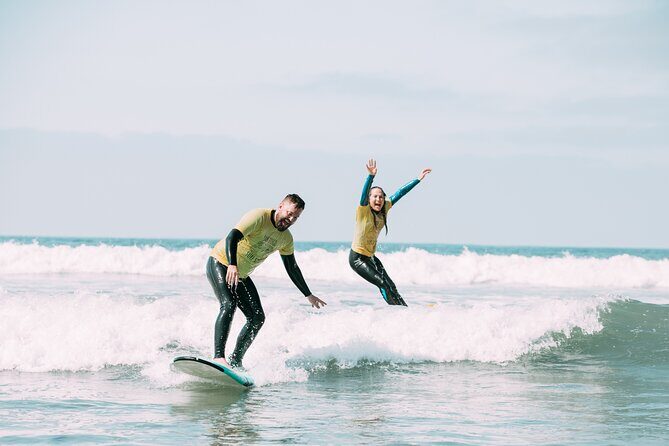
- Semi-private, only your group: more attention when you’re learning.
- Board and wetsuit included: less packing, more time surfing.
- Fundamentals focus: pop-up, wave timing, and efficient paddling.
- Instructor coaching moments: quick beach instruction before you hit the water.
- Great for families and friends: a small-group setup that keeps everyone engaged.
- La Jolla-area convenience: the meeting point sits in 92109, near public transit.
Semi-Private surf in San Diego: what you’re paying for
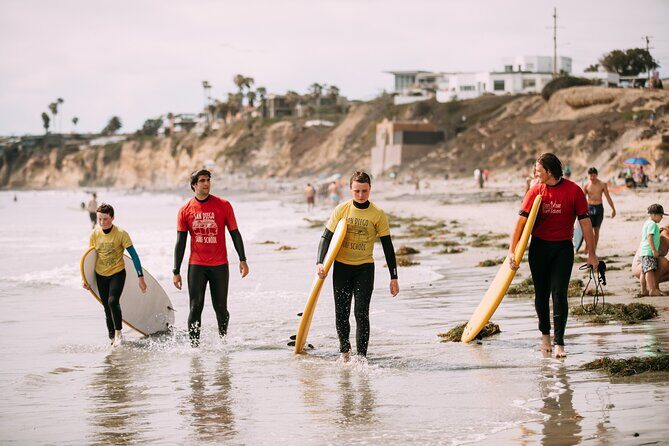
At $125.28 per person for about 1 hour 30 minutes, this isn’t a “stand around and watch” activity. You’re paying for instructor attention, structured fundamentals, and actual water time with the right gear. That mix is why people tend to walk away feeling like they learned something, even if it’s their first day on a board.
The semi-private format is the big value driver. In a group class, you can get swallowed by the crowd. Here, the point is to keep the group small enough that you can correct your stance, improve paddling, and refine the pop-up before the session slips by.
And since the surfboard and wetsuit rental are included, you avoid the usual extra costs and hassle. Bring your essentials, show up, and get into the learning rhythm quickly.
Other private tours in San Diego



Meeting at 4850 Cass St: how the day starts
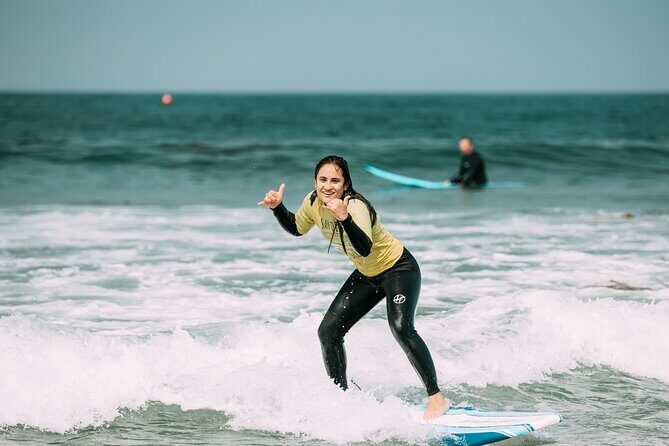
Your day begins at 4850 Cass St, San Diego, CA 92109, and the activity ends back at the same meeting point. That matters more than you’d think. You don’t have to figure out parking at five different places or coordinate transport between “gear time” and “surf time.”
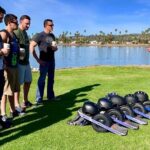
Once you arrive, you’ll get set up with your surfboard and wetsuit. This is where first-timers often gain confidence. A good fit on the wetsuit helps you move and stay warm enough to focus, not shiver. A board that matches your learning needs makes it far easier to catch waves and practice standing up.
Also worth noting: the meeting area is listed as near public transportation. If you don’t want to rely on a car, this is one of those activities that won’t force you into complicated logistics.
Quick beach coaching: pop-up, timing, and efficient paddling
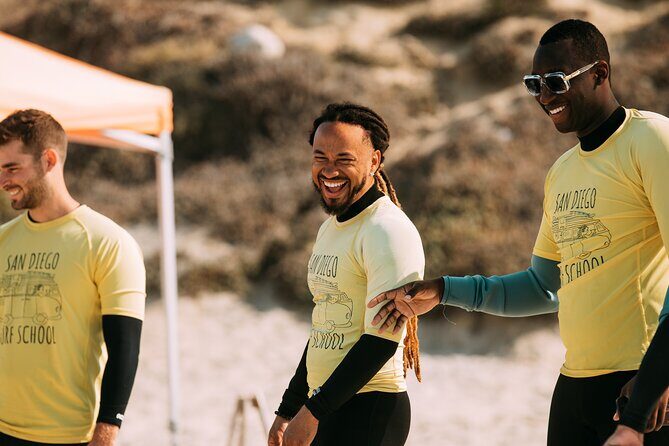
Before you spend much time in the ocean, you’ll get fundamentals on the beach. That beach phase is not a lecture. It’s the “do this next” part, and it’s designed to give you a mental checklist for when you’re out there.
Here’s what the lesson targets:
- Pop-up technique: the move from paddling to standing.
- Wave timing: deciding when to take a wave instead of chasing too early or too late.
- Efficient paddling: using less effort to get into position.
You’ll often hear the word fundamentals and roll your eyes. Don’t. Surf is one of those sports where tiny mechanical changes matter a lot. If your pop-up starts with the wrong foot placement or your paddling rhythm is off, you’ll feel like you’re failing even when you’re actually close.
I like that the coaching is specific. Instructors in this program have a reputation for being patient and encouraging, including helping first-timers get past fear and build confidence. And some lessons move quickly: one instructor, Tom, was praised for getting students up on a surfboard in about 30 minutes.
Getting into the water: what the first attempts feel like
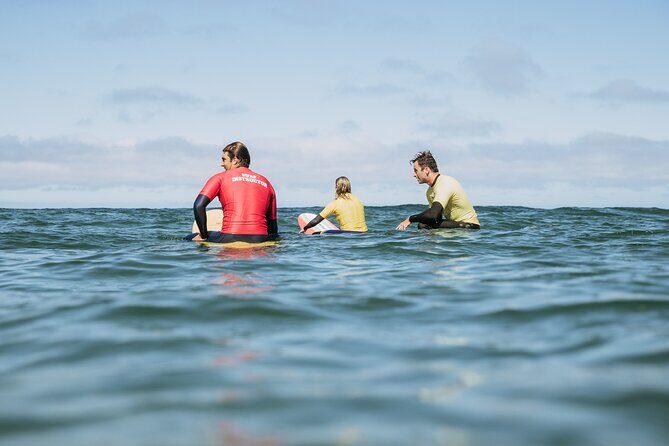
When you finally go into the water, the goal is not to be perfect. The goal is to connect the lessons you practiced on the beach to real conditions.
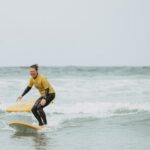
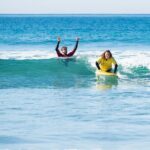
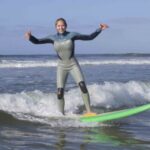
Expect a lot of coaching through the session. The best part of semi-private teaching is that your instructor can watch what you’re doing and correct the one thing that will actually improve your results—like adjusting your paddling angle or helping you time the pop-up to the wave’s speed.
Some instructors are especially known for keeping the vibe calm and focused. For example:
- Tanner is described as getting two first-timers up on waves that were exciting and, for them, a bit gnarly.
- Cody earned praise for being patient and encouraging for a son and a friend.
- Brooks helped a first-timer work through initial fear and build confidence to get going.
- Ken was noted as patient with brand-new surfers.
You can use that as a clue for your own expectations. This lesson is built for learning, not humiliation. If you feel shaky at first, that’s normal. Your job is to keep trying the next step the instructor gives you.
Surfboard and wetsuit rental: the gear part you shouldn’t skip
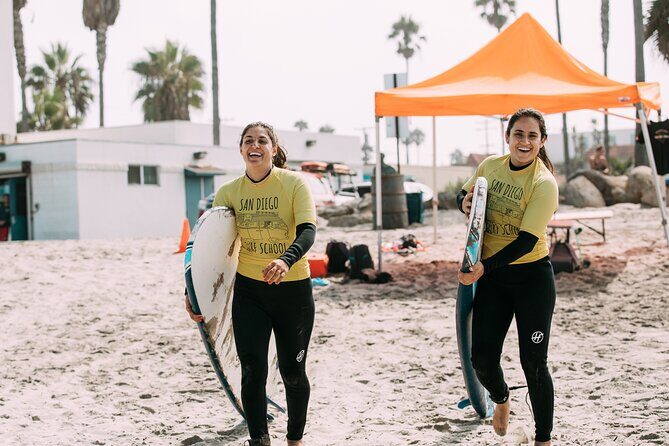
Included rentals are a quiet deal-maker. When you have your own gear, you’re familiar with it. When you don’t, you usually feel clumsy. Here, the program handles the basics with “quality surfboard and wetsuit rental included,” and that helps you focus on technique instead of fiddling.
The surfboard is your platform. If it’s too hard to manage or the shape doesn’t support your learning, your brain starts fighting the board instead of practicing the pop-up. Having an instructor guide you makes it easier to get on the right setup for the conditions.
The wetsuit is comfort and confidence. A wetsuit that fits well can keep you comfortable long enough to learn. And comfort matters because learning surf requires repetition. You want enough time in the session to actually try the steps, not rush back to shore.
One review specifically called out that the equipment provided was clean and everything felt well organized and safe. That’s exactly what you want to hear when you’re paying for instruction rather than renting and hoping for the best.
A few more San Diego tours and experiences worth a look


San Diego waves: a realistic note for true beginners
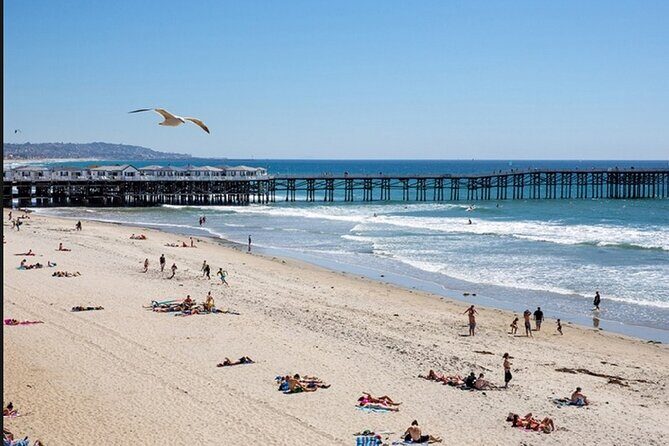
This is where I’ll give you the most honest expectation-setting I can.
One person loved the fun but warned that this isn’t for beginners who expect tiny, forgiving surf. Pacific coast conditions can be bigger than your brain imagines from photos. Another review said their instructor got them on waves that sounded intense to first-timers.
So how should you approach it?
Think of it like this: the lesson teaches you technique for real waves, not a staged kiddie break. You’ll likely catch waves during the session, but your comfort level will depend on the day’s ocean conditions. If you’re extremely nervous, tell the instructor at the start. The best coaches adjust to the moment, not to your confidence on paper.
Who this lesson suits best (families, friends, teens, and beginners)
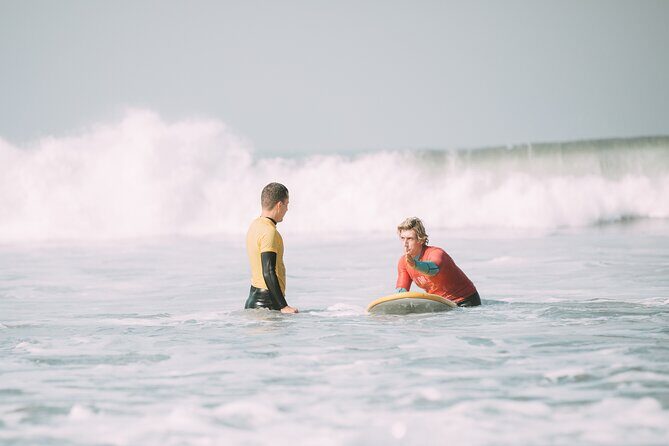
The semi-private format makes this a good fit for:
- Families with kids or teens who want real coaching, not a casual beach activity.
- Groups of friends who can learn together and stay engaged.
- First-time surfers who want fundamentals taught clearly and corrected quickly.
- People looking to improve their pop-up, timing, or paddling efficiency.
Teens get a special nod in the way some instructors are praised for turning learning into momentum. One review called it a must-do for teens after a lesson that got students up quickly. Another highlighted boys having a great time and feeling it was worth the money for actual learning.
If you’re bringing a group, the lesson structure makes it easier to keep everyone involved. Semi-private doesn’t mean you’re alone—it means you’re not competing for attention.
How to prep so you spend more time surfing
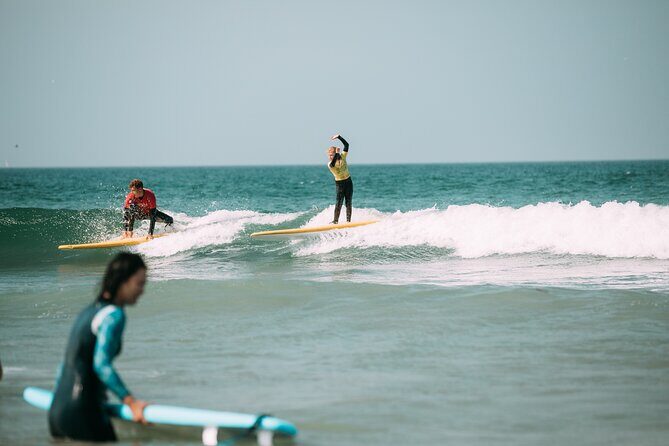
You don’t need much, and that’s part of the appeal. The essentials are simple: swimsuit, towel, water, and sunscreen. Since you’ll be in a wetsuit, bring a towel that you’ll actually want to dry with after.
Here are a few practical habits that help your session go smoother:
- Wear sunscreen before your wetsuit goes on, then reapply after (if you’ll be out in sun).
- Bring water and take small sips between waves, not just at the end.
- Use a towel large enough to dry your hair and keep your skin comfortable after.
Also, you’ll be in the ocean for a focused block of time. If you’re the kind of person who gets cold easily, plan your timing and don’t linger on the beach after you’re done. The session is designed to be active, so stay ready.
Value check: is $125.28 worth it for 90 minutes?
Price is always the big question, so here’s how I think about it.
You’re paying for four main things:
- Instruction (not just board rental).
- Small-group attention that helps technique click faster.
- Included equipment (surfboard + wetsuit), which adds real value versus renting separately.
- A structured fundamentals lesson with pop-up, wave timing, and efficient paddling—skills you can reuse after you leave.
If you tried surfing on your own, you’d spend money renting gear and then still need someone to correct your stance and timing. This lesson compresses that learning curve into a short, organized session.
At the same time, it’s not magic. If you want to shred advanced waves immediately, you’ll be disappointed. This is learning how to get started and improve basics, which is exactly what makes it a solid first step.
Weather matters: when surfing plans change
This experience requires good weather. If it’s canceled due to poor weather, you’ll be offered a different date or a full refund. That’s the right kind of policy for surfing, where ocean conditions can shift quickly.
My practical advice: don’t schedule something critical right after your lesson. Even when you’re confirmed, beach days are influenced by wind and surf conditions. Keep your day flexible so you can accept the new timing if needed.
Also, the session is offered in English, so you’ll want to feel comfortable communicating at least basic questions and concerns.
Should you book this semi-private surf lesson?
Book it if you want a skills-first surf intro with a setup that gives you attention, gear included, and a structured focus on pop-up, timing, and paddling. It’s especially appealing for first-timers who feel nervous, and for families and friends who want an activity where everyone gets coached instead of waiting their turn.
Skip it—or at least adjust expectations—if you’re chasing tiny, beginner-only waves or you’re worried about larger ocean conditions. Some sessions can feel more intense than the beginner videos, even when you’re doing everything “right.” In that case, tell the instructor you’re brand-new and want a cautious pace. Good teaching is partly technique and partly confidence control.
If your goal is to leave with better fundamentals and a real start on surfing, this is a strong value for San Diego.
FAQ
How long is the semi-private surf lesson?
It lasts about 1 hour 30 minutes.
What is the meeting point?
The lesson starts at 4850 Cass St, San Diego, CA 92109, USA, and ends back at the same meeting point.
Is the surfboard and wetsuit included?
Yes. Surfboard and wetsuit rental are included with the lesson.
What should I bring?
Bring a swimsuit, a towel, some water, and sunscreen.
Is this lesson only for my group?
Yes. It’s listed as private in the sense that only your group will participate.
What language is the instruction offered in?
The lesson is offered in English.
What if the weather is poor?
If the experience is canceled due to poor weather, you’ll be offered a different date or a full refund.
Are service animals allowed?
Yes. Service animals are allowed.