REVIEW · SAN DIEGO
San Diego: San Diego Natural History Museum Ticket
Book on GetYourGuide →Operated by San Diego Natural History Museum · Bookable on GetYourGuide
Seventy-five million years starts right here. The San Diego Natural History Museum, in Balboa Park, is built around regional wildlife and fossils, and it mixes old-school museum objects with hands-on science. I love that it also has San Diego’s only Foucault pendulum, so the building isn’t just a place to look, it’s a place to notice how the world works.
Two things I especially like are Fossil Mysteries and the giant T. REX-style film shows. Fossil Mysteries covers everything from dinosaurs to megalodons to mastodons, so even if you’re not a “museum person,” you can still connect the timeline. And the giant-screen theater films are included with admission, which makes this ticket feel like a full experience instead of a quick stop.
One drawback to plan around: the museum has elevators, and if you have mobility issues you’ll want to be extra careful with door pinch points. I’d also keep your day flexible, because four floors plus a theater can mean a lot of standing and walking.
In This Review
- Key things to notice before you go
- The Nat in Balboa Park: a ticket that buys more than you think
- Four floors in one day: how to pace yourself
- Fossil Mysteries: dinosaurs, megalodons, and mastodons in one story
- Expedition Baja and Coast to Cactus: why this museum feels local
- The Living Lab and science in action: more than specimens behind glass
- Giant-Screen Theater: plan a show and use it as a reset
- Action from the Archives: The Nat at 150 and the meaning of preservation
- Citizen science and community learning: Extraordinary Ideas from Ordinary People
- For kids: Backyard (0–5) and how to keep little attention spans happy
- Price, value, and what your $12 ticket covers
- Accessibility and practical comfort: plan your route
- Should you book the San Diego Natural History Museum ticket?
- FAQ
- How much does the San Diego Natural History Museum ticket cost?
- How long is the ticket valid?
- What does general admission include?
- Which giant-screen theater films are shown daily?
- How many floors of exhibition space does the museum have?
- Is San Diego’s Foucault pendulum included at this museum?
- Do I need a printed voucher?
- Are pets allowed in the museum?
- Is the museum wheelchair accessible?
- What is the cancellation policy?
Key things to notice before you go
- Four floors of exhibits give you real choices, not just one main gallery
- Fossil Mysteries covers Southern California and Baja California over 75 million years
- The Giant-Screen Theater is included, with films like T. REX and Wild San Diego daily
- Living Lab and Backyard make the museum feel family-friendly, not lecture-only
- Baja-focused science (Expedition Baja) connects fossils, landforms, and conservation
- Citizen science and archive exhibits help you see how research and learning keep evolving
The Nat in Balboa Park: a ticket that buys more than you think

If you only have a slice of time in San Diego, this is a smart way to use it. The Natural History Museum sits right in Balboa Park, one of those places where the setting already feels like part of the trip. For a relatively low ticket price, you get a full museum day, not just a single attraction.
I also like the museum’s goal. It’s not only about displaying specimens. It’s about how the natural world connects across time, from fossils to modern ecosystems, and how that knowledge becomes part of conservation and public science.
The $12-per-person price makes the biggest difference for families and couples. You can afford to stay longer, catch a film, and still feel like you got your money’s worth. It’s the kind of admission that lets you choose your own pace, from quick highlights to a slower browse across multiple floors.
Other San Diego tours we've reviewed in San Diego



Four floors in one day: how to pace yourself
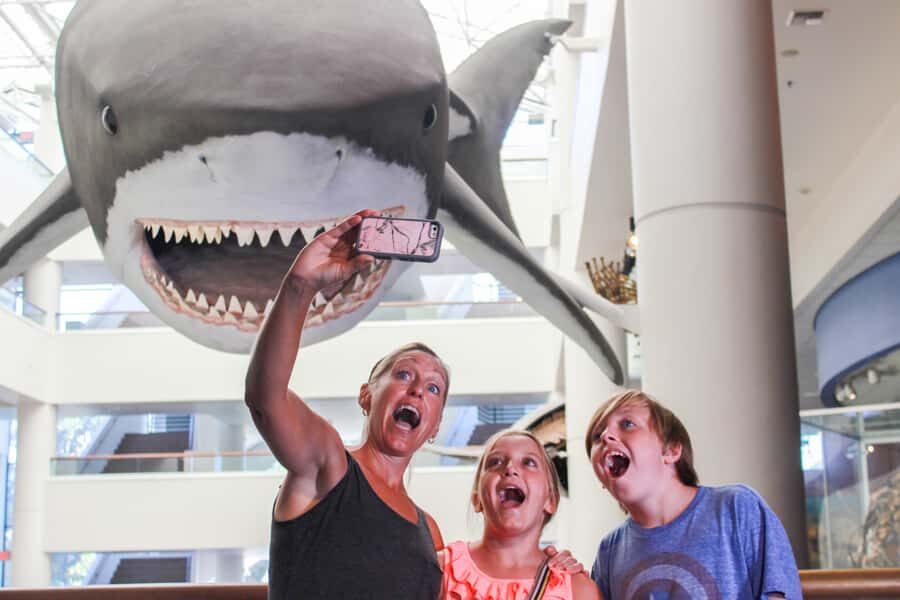
A common museum problem is doing too much too fast. Here’s the fix: decide what “done” looks like for you before you start walking. With four floors of exhibition space, you can easily turn one visit into a whole day if you keep stopping for details.
I like to think in three blocks: exhibits, theater, and one slow zone. Start with the galleries that match your interests most strongly, then use the film show as a timed break. Finally, pick one exhibition to linger in long enough that you actually absorb the themes, not just scan labels.
One practical note: the museum can mean stairs, elevators, and lots of corridors. If you have any mobility limitations, I’d plan your routes so you’re not constantly backtracking. On my trips, I always try to group exhibits by floor first, then circle back only if something clearly pulls me in.
Fossil Mysteries: dinosaurs, megalodons, and mastodons in one story
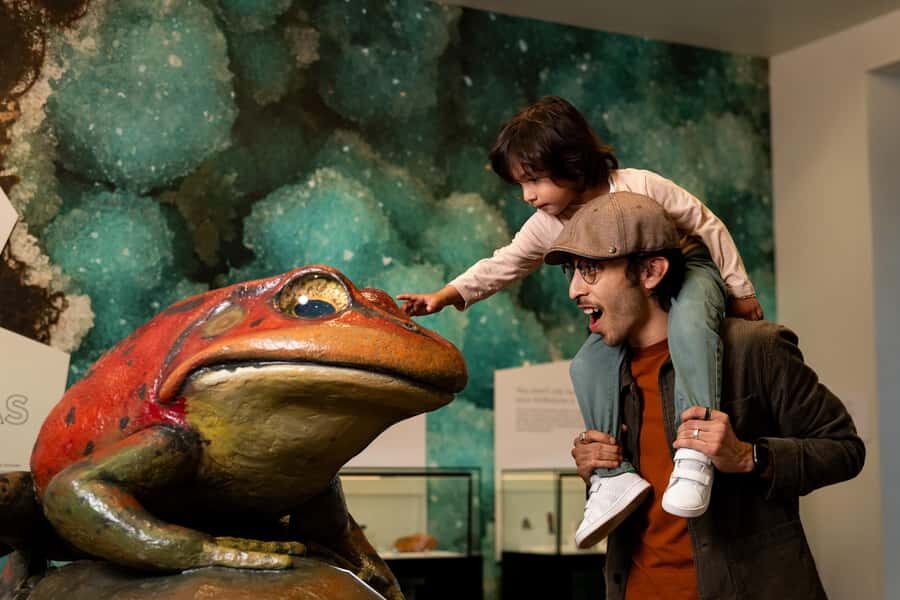
The museum’s Fossil Mysteries exhibition is built like a time machine. It moves through 75 million years, linking the fossil record to what’s special about Southern California and Baja California. Even if you only catch part of the exhibit, the overall arc helps you feel the scale of change instead of seeing fossils as random “cool stuff.”
What makes this section valuable is the way it turns fossils into a regional story. You’re not just learning what lived; you’re also learning how people understand the past from rock layers, remains, and expert interpretation. That context is what makes the information stick after you leave.
If you want to go deeper without getting stuck reading every label, focus on the big anchors: dinosaurs early in the timeline, then the more marine surprises like megalodons, and then the later megafauna such as mastodons. It gives you a clear mental map, and you can branch out from there.
Expedition Baja and Coast to Cactus: why this museum feels local
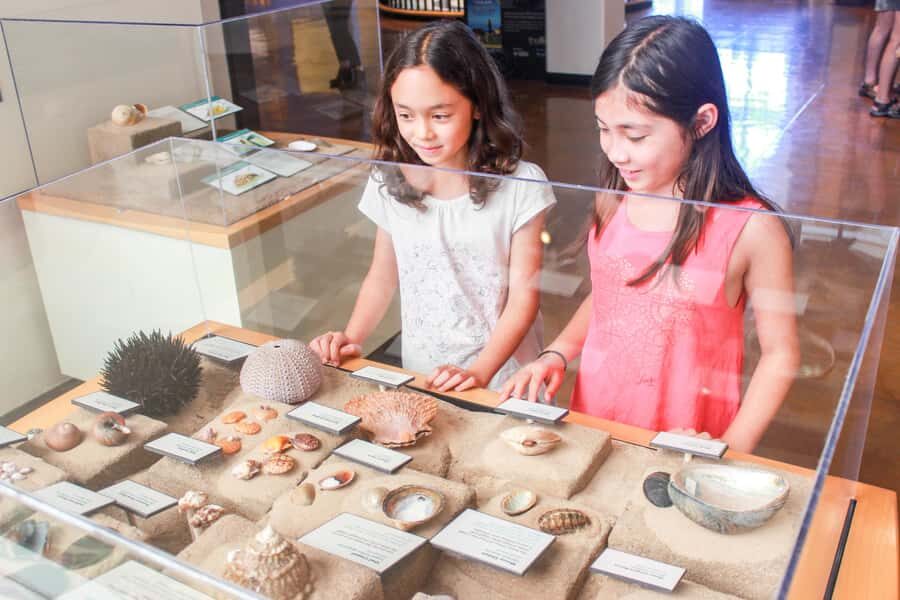
One of the museum’s strongest moves is keeping the spotlight on the region. Expedition Baja brings the Baja California Peninsula into focus with themes like mountains, desert flats, and isolated islands. It also connects visitors to researchers working on conservation, so the exhibit isn’t only history and geology.
Then Coast to Cactus in Southern California adds the “where life goes” angle. The exhibition takes you through coast, inland valleys, mountains, and deserts, and it celebrates the variety of life across those major regions. For me, the appeal is that you start to see biodiversity as a system, not a list of animals.
This matters if you’re planning more than one day in the area. You’ll likely leave with better instincts for what you’re looking at outside, whether you’re near the coast or heading inland. It’s the kind of learning that makes later sightseeing feel sharper.
The Living Lab and science in action: more than specimens behind glass
The Living Lab exhibition is where the museum shifts from fossil timeline to modern survival. It features more than 20 “not-so-cuddly” neighbors, including scorpions and elusive nocturnal lizards. The point isn’t to scare you; it’s to show how these creatures fit into the bigger picture of local ecosystems.
I also appreciate that the museum’s broader programming includes an opportunity to see scientists at work. You won’t treat this like a lab tour with set script times, but knowing that real science happens in the background changes how you look at the exhibits. It turns the museum into a living learning space, not a locked-off collection.
For families, Living Lab tends to be a magnet because it’s active and realistic. You get a sense that the animals aren’t just for display; they’re part of a whole ecological story.
A few more San Diego tours and experiences worth a look





Giant-Screen Theater: plan a show and use it as a reset

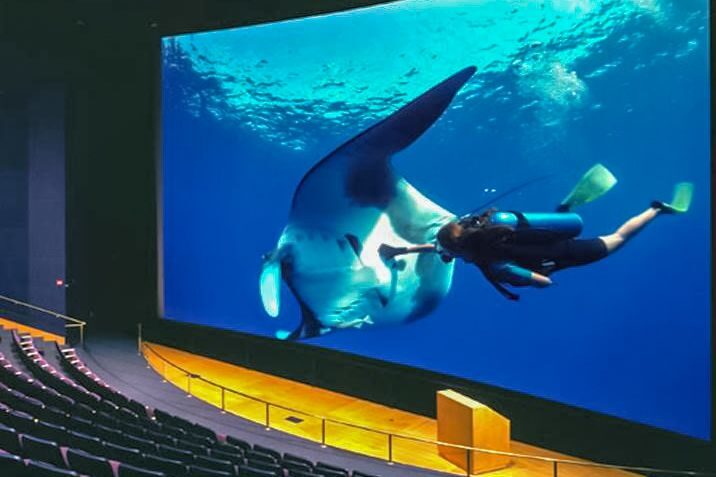
The Giant-Screen Theater is included with admission, which is a huge value add. It’s a large stadium-style setup with a 300-seat layout, so you can settle in and stop walking for a while. The films shown daily include T. REX, Wild San Diego, and Ocean Oasis.
My practical advice: treat the theater as a reset button. If your legs are tired from museum floors, the show gives you time to recover without losing your momentum. It also gives you a shared “wow” moment that works well for groups with mixed ages.
I’d also check the show schedule for the day you go. The films rotate through the day, and knowing which one is on when helps you place it between exhibit highlights instead of hoping you’ll stumble into the right timing.
Action from the Archives: The Nat at 150 and the meaning of preservation
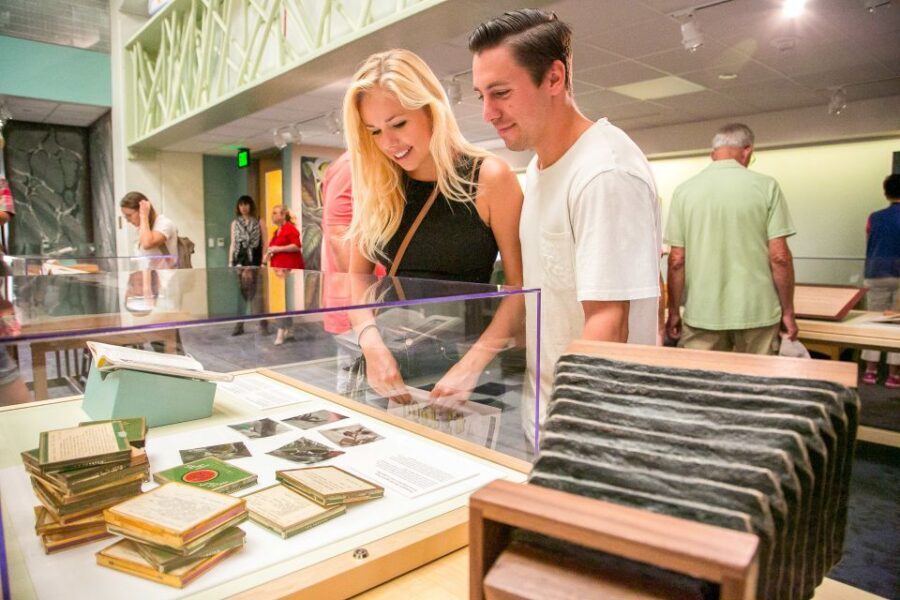
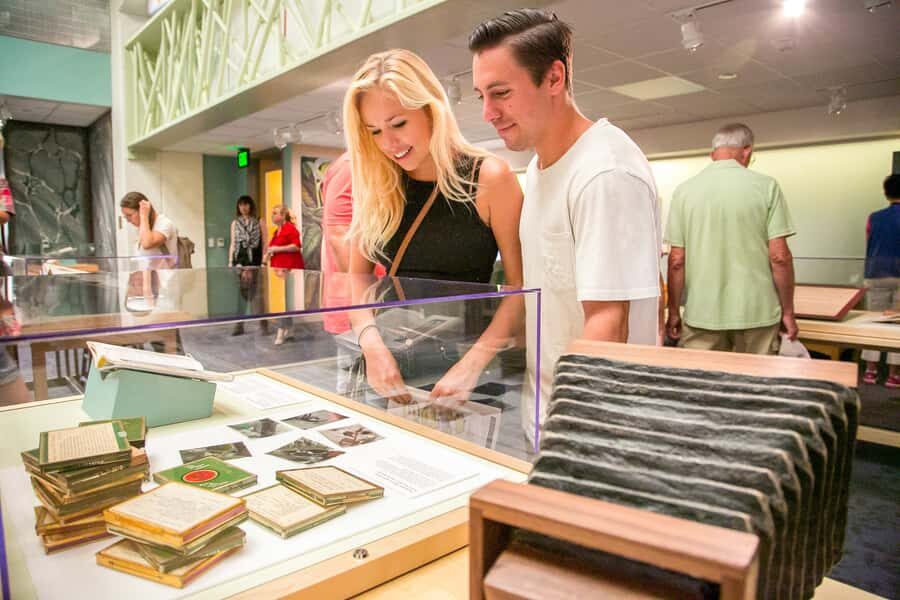
If you like museums that explain themselves, the anniversary exhibit is worth your time. Action from the Archives: The Nat at 150 uses photographs and objects from the museum archives to share conservation success stories from both historic and contemporary efforts.
This kind of exhibit does something subtle but important. It makes the museum’s mission feel human, not just scientific. You see how conservation wins are built over time, and you start understanding why collecting, documenting, and preserving matters.
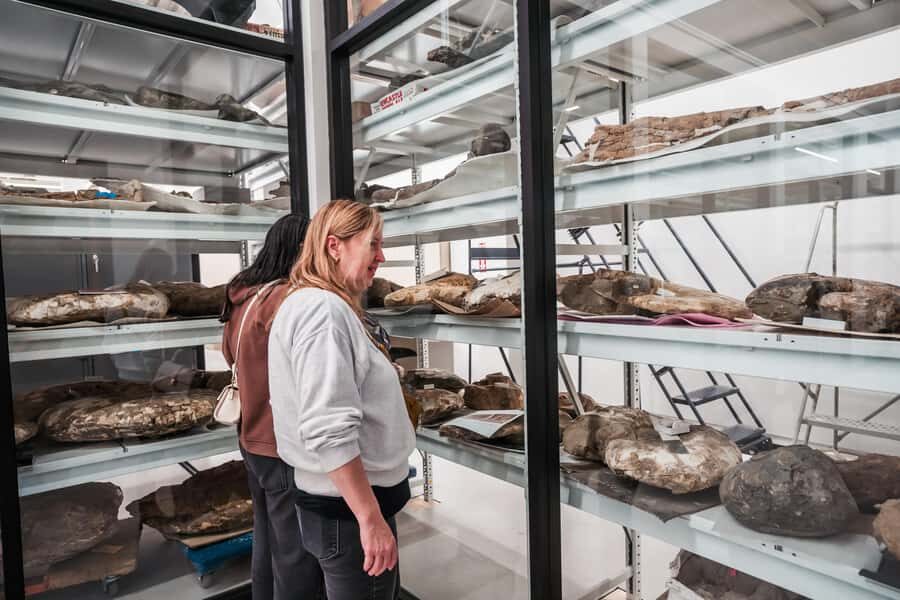
There’s also Unshelved: Cool Stuff from Storage, which gives you a rare look into storage areas. That’s fascinating because it changes your mental picture of a museum. A lot of the real work is behind the scenes, and this show-and-tell approach helps you grasp the scale of specimens and ideas that exist beyond what’s on the public floors.
Citizen science and community learning: Extraordinary Ideas from Ordinary People
The museum also shows how research isn’t locked behind lab doors. Extraordinary Ideas from Ordinary People: A History of Citizen Science explores the past, present, and future of citizen science through rare books, art, photographs, and historical documents.
I like this exhibition because it turns “data” into a story of people. It’s encouraging if you want learning to feel participatory, not only professional. You walk away with a better sense of how public engagement can support scientific dialogue.
It’s also a good match for people who want an emotional thread through the day. After fossils and living animals, this kind of exhibit ties it together with the human side of science.
For kids: Backyard (0–5) and how to keep little attention spans happy
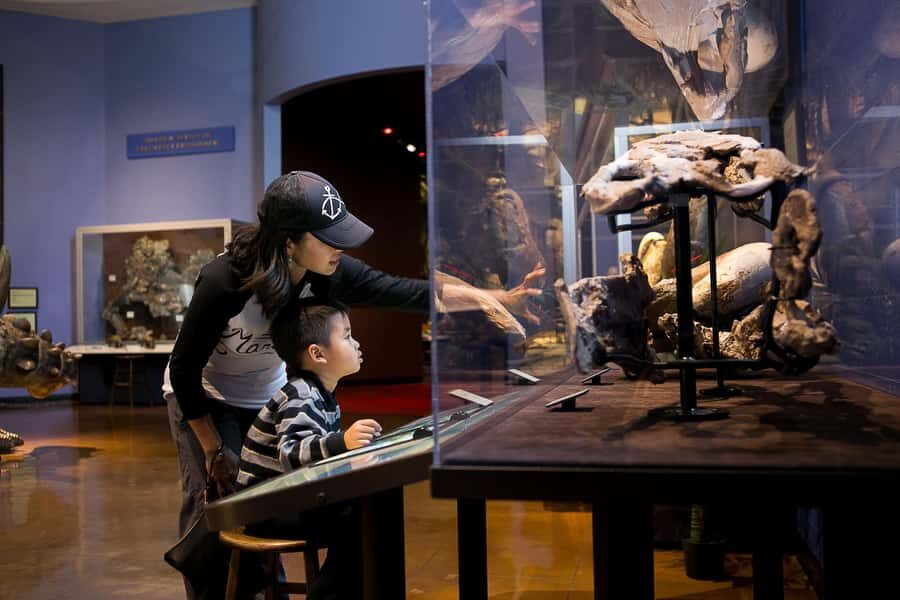
If you’re visiting with younger kids, plan around the Backyard space. It’s designed for the youngest visitors, ages 0–5, with areas that encourage play and exploration. Kids can search for hidden secrets along a wooden fence, read books in a cozy potting shed, or play under a shade tree.
This section is valuable because it balances the museum’s more serious science topics. If your child gets antsy, this becomes a pressure-release valve, and you can re-center the day after a break. It also helps adults relax, because the museum isn’t forcing every visit into long stretches of standing and reading.
Living Lab can also work well with kids who are curious and ready for real animals. Just keep in mind that not every child enjoys scorpions and nocturnal lizards the same way, so you might need to match the exhibit to the kid’s comfort level.
Price, value, and what your $12 ticket covers
Let’s talk value plainly. The ticket costs $12 per person and gives you general admission to the museum. That includes access to the exhibition floors and the giant-screen theater films, which is where your “most for the money” happens.
In other words, you’re paying for a multi-part visit: floors of exhibits plus a full film experience. If you’re the type who likes to linger in one or two exhibitions, you’ll likely feel the ticket cost in your favor. If you also want a family-friendly break from walking, the theater helps stretch the day without extra fees.
Also note: the ticket is valid for 1 day, and your starting times can depend on availability. That flexibility makes it easier to fit into a Balboa Park morning or afternoon plan.
Accessibility and practical comfort: plan your route
The museum is wheelchair accessible, which is great. Still, comfort matters once you’re inside, especially if you’re dealing with limited mobility. One issue that stands out is the possibility of tight elevator door pinch points, so if you have a bad ankle or trouble with stairs, take care while boarding.
My approach: once you know which floor you want first, commit to that plan and avoid unnecessary elevator repeats. If you’re going with a child or someone who needs extra time, give yourself buffer minutes. It’s not about rushing; it’s about letting the day feel calm.
Finally, keep your expectations realistic. This is a big museum with lots to look at, so you’ll feel more satisfied if you pick favorites instead of trying to see every object.
Should you book the San Diego Natural History Museum ticket?
Yes, you should book it if you want a solid museum day that’s worth the price and works for multiple ages. The combination of 75 million-year fossil storytelling, regional exhibits focused on Southern California and Baja California, and included giant-screen films makes this feel like a complete outing.
I’d skip it only if you’re looking for a short, strictly scheduled tour with minimal walking. If you prefer a more guided narrative tour where every step is planned for you, this is still good admission, but it’s more self-directed than scripted.
If you’re in Balboa Park anyway, this ticket is a strong use of time. You’ll get a mix of fossils, living animals, science communication, and a theater break, all in one place.
FAQ
How much does the San Diego Natural History Museum ticket cost?
The ticket price is listed as $12 per person.
How long is the ticket valid?
The ticket is valid for 1 day.
What does general admission include?
General admission includes access to the museum exhibitions and the giant-screen theater films.
Which giant-screen theater films are shown daily?
The daily showings listed include T. REX, Wild San Diego, and Ocean Oasis.
How many floors of exhibition space does the museum have?
The museum has four floors of exhibition space.
Is San Diego’s Foucault pendulum included at this museum?
Yes. The museum features San Diego’s only Foucault pendulum.
Do I need a printed voucher?
Yes, a printed voucher is required.
Are pets allowed in the museum?
No, pets are not allowed.
Is the museum wheelchair accessible?
Yes, the activity is wheelchair accessible.
What is the cancellation policy?
Free cancellation is available up to 24 hours in advance for a full refund.