REVIEW · SAN DIEGO
San Diego: Gaslamp Quarter Walking Tour
Book on GetYourGuide →Operated by ExperienceFirst California · Bookable on GetYourGuide
That first street corner can change everything.
This walking tour turns the Gaslamp Quarter into a clear timeline of how San Diego went from The Stingaree to a working port. I love the story-first guiding style (especially the way guides weave humor into the hard parts), and I love the slow look at old building facades instead of speed-scrolling past them. One possible drawback: it’s a 2-hour street walk, so you’ll need comfortable shoes and patience for getting around on sidewalks.
You start at the Spreckels Theatre, then follow a route past late-1800s and early-1900s structures that still wear their details on the outside. The guide also adds extra context you’d miss on your own, including infamous characters from the era, plus the story that Harry Houdini made a stop in San Diego.
In This Review
- Key Things I’d Not Skip
- Why The Stingaree Stories Still Make the Gaslamp Quarter Make Sense
- Meet at the Spreckels Theatre: Getting Oriented Before You Walk
- Historic Buildings You’ll Pass: Facades, Windows, and the Purpose Behind Them
- One practical note
- The Guide Makes It Funny: Debby White’s Storytelling Style
- Houdini in San Diego and Other Details That Make the Past Feel Personal
- Timing a 2-Hour Walk: What Happens When You Still Have Night Plans
- Price and Value: Is $39 Worth It?
- What’s Included, What’s Not, and How to Prepare
- Best Fit for Who: History Fans, Architecture Watchers, and Night-City Planners
- Should You Book This San Diego Gaslamp Quarter Walking Tour?
- FAQ
- Where does the Gaslamp Quarter walking tour start?
- How long is the tour?
- How much does it cost?
- Is the tour guided, and what language is it in?
- What should I bring, and what should I avoid bringing?
- Does the tour run in bad weather?
- Is there a refund if I cancel?
Key Things I’d Not Skip
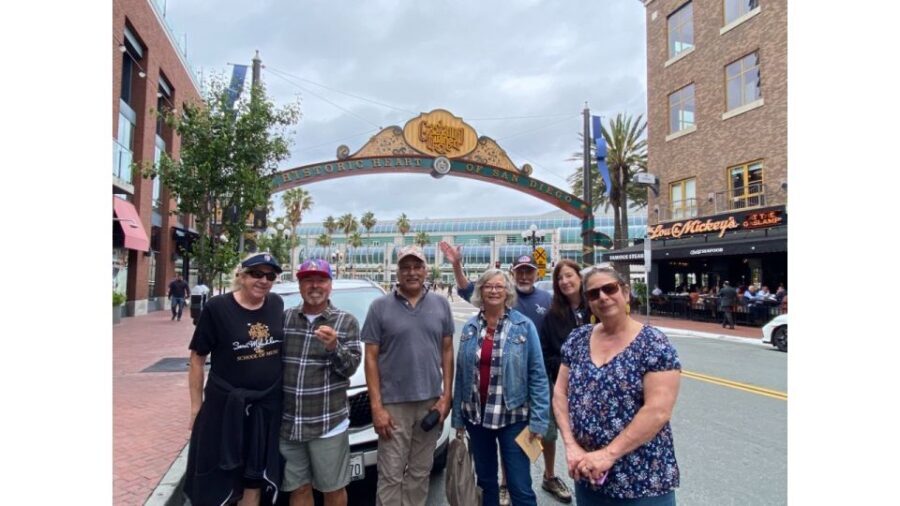
- Start at the Spreckels Theatre and get your bearings before the Gaslamp stories begin
- The Stingaree era focus gives you context for why this neighborhood looked and felt the way it did
- Architecture walk-by moments: windows and facades become part of the explanation, not just a photo op
- Debby White’s storytelling reputation shows up again and again: lively, funny, and detailed
- Small built-in breaks can happen, such as a coffee pause, though food and drinks aren’t included
Why The Stingaree Stories Still Make the Gaslamp Quarter Make Sense
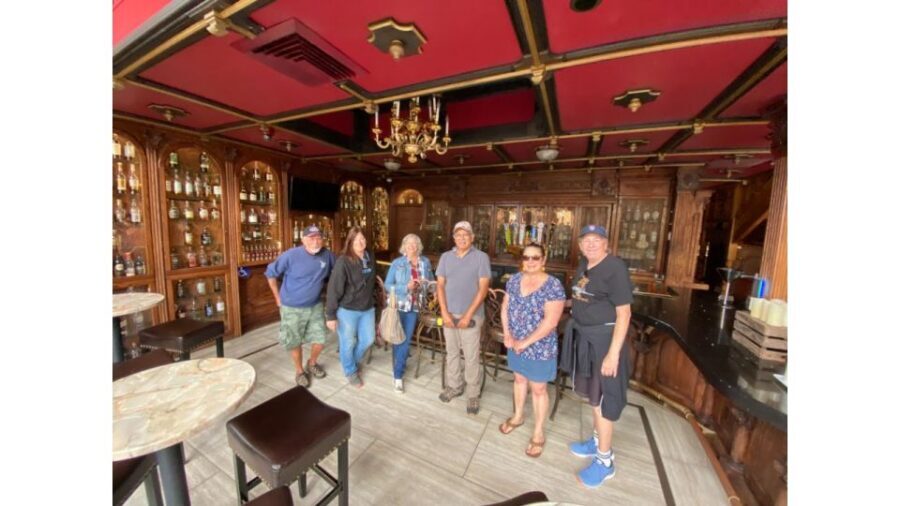
The Gaslamp Quarter can look like a polished downtown block with restaurants, bars, and easy nightlife. This tour makes you see the layers underneath. You learn that San Diego’s early years were not neat and postcard-ready. People crowded in, businesses grew, crime and corruption followed, and the nickname The Stingaree stuck for a reason.
What I like about this approach is that it doesn’t treat history like a slideshow. It treats it like cause-and-effect. As the guide points out what used to be here, you start to understand why the neighborhood evolved the way it did. The walk becomes a way to read the city: buildings are the pages, stories are the sentences.
You’ll hear about the rough reputation of the area and the kinds of figures who were part of daily life back then, including some notorious women from the era. That’s not just shock-value. It’s part of the bigger picture of who had power, who had money, and who got pushed aside as the port and downtown economy grew.
Other San Diego tours we've reviewed in San Diego



Meet at the Spreckels Theatre: Getting Oriented Before You Walk
Starting at the Spreckels Theatre matters. Before you’re even a few blocks in, the guide can set the scene and help you connect what you’re seeing with what you’re hearing. That orientation makes a difference on a 2-hour tour, where you don’t have time to wander and guess.
From there, you’ll move past multiple historic structures dating to the late 1800s and early 1900s. Even without exact addresses in your pocket, you’ll get a practical skill: how to spot details that tell you when a building was built and what it was built for. The guide’s job is to train your eyes fast.
You’re also not left hanging after the walk. The guide closes with insider recommendations for places to eat, plus ideas for more to see and do if you still have time that day. That’s a smart add-on for a neighborhood tour because it turns the history into a usable plan.
Historic Buildings You’ll Pass: Facades, Windows, and the Purpose Behind Them
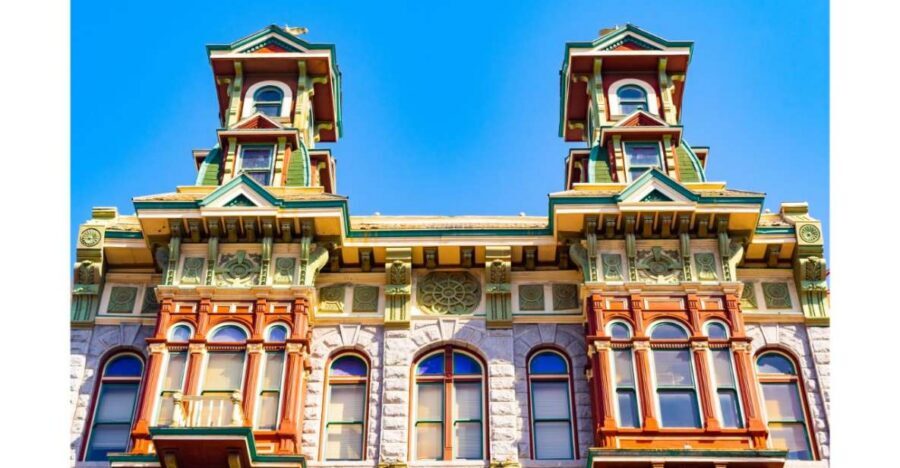
The best moments in this type of walking tour are the stop-and-look pauses. Here, the guide repeatedly points out the “outside tells.” The Gaslamp buildings still show details in their facades and windows, and those details are a clue to what life was like when these structures were new.
You’ll hear about what some locations used to be: former brothels, gambling halls, and other businesses tied to the area’s rough reputation. That can sound like a theme park setup, but it works because you’re walking actual streets that still hold the architecture. You get a more grounded feeling for how the neighborhood functioned.
Here’s the useful part for you: you’ll learn to connect building style to era and to street life. Instead of asking, That’s a pretty building, you start asking, Why would a business like that choose a spot here? What did the neighborhood do for the people who lived nearby? The guide gives you answers as you go.
One practical note
This is an outdoor walk. You’ll want to dress for the weather and keep your attention on the sidewalk as much as the buildings. The tour operates in rain or shine, so plan for quick changes in temperature and conditions.
The Guide Makes It Funny: Debby White’s Storytelling Style
If you’re deciding whether a history tour is worth your time, the guide matters. This one has a standout pattern in the feedback: the storytelling is energetic, and the tone stays entertaining while still covering real, gritty details.
Debby White is repeatedly named in the best-rated experiences, with comments about her enthusiasm, her knowledge of the Gaslamp area, and the way she brings characters and buildings to life. People also mention her humorous storytelling and the fact that she adds extra suggestions beyond the tour itself.
I also think the “ghost” angle people mention is worth taking seriously, in a practical way. Even if you don’t plan to become a true believer, these haunting-style stories help you remember what you learn. They turn facts into images. And when you’re walking and listening for 2 hours, memory tricks like that are not silly. They’re how this kind of tour sticks with you.
The best part is that the guide doesn’t just hand you dates. She connects the stories to what you’re seeing right then—windows, facades, the vibe of the block. That’s why the tour tends to feel like a guided walk through a living neighborhood, not a lecture in motion.
Other Gaslamp Quarter tours we've reviewed in San Diego


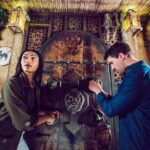



Houdini in San Diego and Other Details That Make the Past Feel Personal
Unexpected stories are part of what turns a basic neighborhood walk into something you’ll talk about later. One example you’ll hear: Harry Houdini making a stop in San Diego. It’s the kind of detail that makes the past feel less sealed off.
That approach matters because it breaks the usual pattern of only talking about local crime and local architecture. You get a broader sense that San Diego wasn’t a bubble. People traveled through, famous names appeared, and the city kept moving with the rest of the country.
You’ll also hear about infamous residents and characters associated with the day-to-day life of The Stingaree. The guide’s framing helps you understand that these weren’t just isolated rumors. They were part of how the neighborhood worked—economically, socially, and sometimes dangerously.
I like tours that mix the expected and the surprising. This one does both: architecture and criminal history, plus a few curveballs that keep you awake and listening.
Timing a 2-Hour Walk: What Happens When You Still Have Night Plans
Two hours sounds short, but it’s a sweet spot for a walking tour. Long enough to cover the key ideas, short enough that you’re not stuck missing your dinner reservation or evening plans.
You can expect the route to keep moving past several historic structures, with time built in for explanations at each stop. Some experiences mention breaks for coffee, which tells you the guide may plan small pauses rather than making you walk straight through without any reset. Still, food and drinks are not included, so budget for any coffee you buy on your own.
A good way to plan the rest of your day: treat this as your neighborhood primer. After the tour, you’ll have a mental map of what you saw and why it matters. Then you can choose where to eat with more intention, not just by closest location.
Price and Value: Is $39 Worth It?
At $39 per person for about 2 hours with a professional English-speaking guide, the value is strongest if you care about context. This isn’t a ticket you use for photos. It’s a story package plus an architecture lesson.
You’re getting:
- a guided walk with historical narration tied to specific buildings
- a route that focuses on the Gaslamp’s early reputation and how it evolved
- at-the-end local recommendations for food and what else to do
It’s also not inflated with extras. Hotel pickup and drop-off aren’t included, and food and drinks are not included. That can be a plus for you if you like to control your schedule and choose your own meals.
The real question for you is your travel style. If you enjoy walking while someone turns a neighborhood into a narrative, $39 is reasonable. If you prefer self-paced exploring with minimal talking, you might get less out of it.
What’s Included, What’s Not, and How to Prepare
Included:
- a professional English-speaking guide
Not included:
- food and drinks
- hotel pickup and drop-off
So show up ready to walk and listen. Bring sunscreen and comfortable shoes. Also, leave luggage or large bags behind. Tours like this typically run smoother when everyone’s hands are free and you’re not weaving around bulky bags.
This tour is listed as wheelchair accessible, but it’s also marked as not suitable for people with mobility impairments. If mobility is part of your decision, I’d treat that as a signal to contact the provider before booking and ask what “accessible” means in practice for sidewalks, curb cuts, and pacing.
Best Fit for Who: History Fans, Architecture Watchers, and Night-City Planners
This tour is a strong match if you want:
- city history that explains what you’re seeing on the street
- character-driven stories (including the “infamous resident” side)
- architecture details you can actually notice during a walk
It also works well if you’re staying nearby and want a useful plan for the evening. Since the guide gives must-try restaurant ideas and suggestions for shows, nightlife, and activities that happen daily, you can turn the tour into an afternoon-to-night schedule.
Where it may not fit:
- If you have mobility challenges, the walking nature is important to consider carefully.
- If you’re looking for a slow, quiet stroll with minimal story intensity, you may find it more packed than you like, simply because it’s built around lots of stops and talk.
Should You Book This San Diego Gaslamp Quarter Walking Tour?
I’d book it if you want to understand the Gaslamp Quarter beyond the surface. The price is fair for a guided narrative, and the focus on The Stingaree era plus the attention to surviving architecture makes it more than a casual walk.
You should think twice if you can’t handle 2 hours of outdoor walking or if mobility needs require a lot more reassurance than the listing provides. In that case, ask the provider directly and be honest about your comfort level.
If your goal is to leave with a sharper sense of San Diego’s streets, the kind of stories that stick, and a short list of places to eat and go afterward, this tour hits the sweet spot.
FAQ
Where does the Gaslamp Quarter walking tour start?
The tour starts at The Spreckles Theatre.
How long is the tour?
The duration is 2 hours.
How much does it cost?
The price is $39 per person.
Is the tour guided, and what language is it in?
Yes, it includes a live tour guide, and the tour is in English.
What should I bring, and what should I avoid bringing?
Bring sunscreen and wear comfortable shoes. Luggage or large bags are not allowed.
Does the tour run in bad weather?
Yes. It operates rain or shine, so you should dress appropriately for the weather.
Is there a refund if I cancel?
Yes. Free cancellation is available up to 24 hours in advance for a full refund.