REVIEW · SAN DIEGO
San Diego Gaslamp Quarter Small Group Walking Tour
Book on Viator →Operated by ExperienceFirst · Bookable on Viator
Some places feel like they’re still telling stories. This 2-hour small-group walking tour takes you through the Gaslamp Quarter’s transformation from rough-and-ready beginnings to a polished downtown showpiece, with stops tied to real buildings, real characters, and real dates. I like that it focuses on details you can actually see—window designs, facades, and layout—so the history doesn’t float in the abstract.
Two things I especially like: the tour’s true-to-the-street building stories (brothels, gambling halls, and the ways Downtown life worked), and the guide-driven momentum that turns each stop into a quick scene you can picture. One consideration: it is weather-dependent and you’ll be walking the whole time, so plan on comfortable shoes and don’t treat this like a slow sightseeing stroll.
In This Review
- What you’re really buying for $39
- Key highlights worth showing up for
- Start at Spreckels Theatre: where the story sounds right
- Why the start time works
- Logistics that keep it easy
- Horton Plaza Park: the old hitching post vibe
- The US Grant: luxury, presidents, and a side of ghosts
- Balboa Theatre: Pan-American cooling waterfalls and wartime upstairs offices
- Mad House Comedy Club’s Ingle Building: Prohibition-level clever
- The Louis Bank of Commerce and the Yuma Building: Victorian brick with real characters
- Ghirardelli’s early film-house roots
- Davis-Horton House and Horton Grand: oldest structure, moved-in pieces, and ghost lore
- Old Spaghetti Factory building and the Gaslamp Arch finale
- How to use the guide’s restaurant and nightlife tips
- Price, timing, and group size: when this tour feels like a deal
- Who this walking tour fits best
- Should you book this Gaslamp Quarter walk?
- FAQ
- How long is the San Diego Gaslamp Quarter Small Group Walking Tour?
- How much does the tour cost?
- Where do I start and where does it end?
- What time does the tour start?
- Is food and drink included?
- Does the tour include a guide?
- Is it a small group tour?
- What happens if the weather is bad?
What you’re really buying for $39
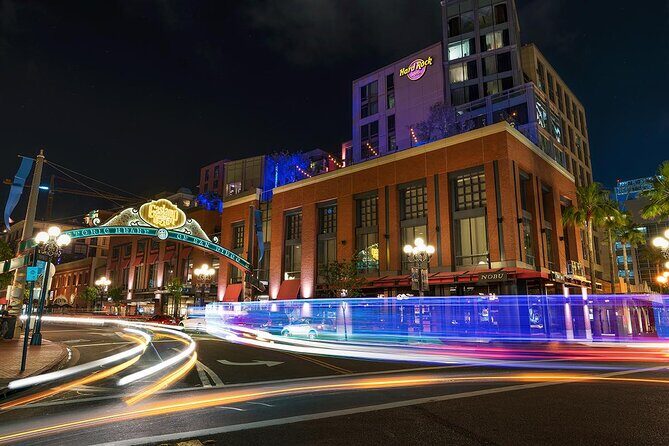
At $39 per person, you’re paying for a live guide plus access to multiple stops that list free admission tickets, not for meals or a food-and-drink package. Expect a small group (up to 25 people) and a mobile ticket, with the walk starting at 121 Broadway at 1:00 pm and ending at the Gaslamp Arch (208 Fifth Ave). You’ll also get restaurant and nightlife recommendations at the end, which is handy when you want your evening to feel less random.
Key highlights worth showing up for
- Spreckels Theatre’s 1912 design and acoustic reputation, still in continuous operation
- Crime-to-culture storytelling, including Prohibition-era workarounds and infamous Downtown characters
- Haunted-building lore mixed with concrete local history at places like the US Grant and Horton Grand
- Pan-American Exposition details at the Balboa Theatre, including the cooling-system waterfalls
- Harry Houdini’s one San Diego stop, timed to the Gaslamp redevelopment arc at the end
Other San Diego tours we've reviewed in San Diego


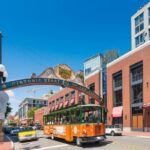
Start at Spreckels Theatre: where the story sounds right
The tour kicks off near 121 Broadway, starting at the Spreckels Theatre, which has been operating since 1912. It’s the kind of building you notice even if you’re not a theatre person—commissioned by sugar magnate John D. Spreckles and known for acoustics that folks still talk about. You get a sense right away that Downtown San Diego didn’t just grow; it was planned, performed, and promoted.
This is also where your guide starts setting the tone: the Gaslamp wasn’t always the postcard version. It was once known as the Stingaree—rough, profitable, and sometimes dangerous. If you want your history with a bit of grit (and enough clarity to follow), this start matters.
Why the start time works
A 1:00 pm departure is smart. You’re early enough to catch daylight on the architecture, but you’re still finished before the late-evening crowd. That means you can do this walk, then turn around and use the rest of the day for a museum, dinner, or even a show you’re already curious about.
Logistics that keep it easy
The walk is listed as doable for most people, and service animals are allowed. It’s also near public transportation, which helps if you’re bouncing between neighborhoods. And because it runs about 2 hours, you can pair it cleanly with other Gaslamp-area plans without feeling like you need a full-day block.
Horton Plaza Park: the old hitching post vibe
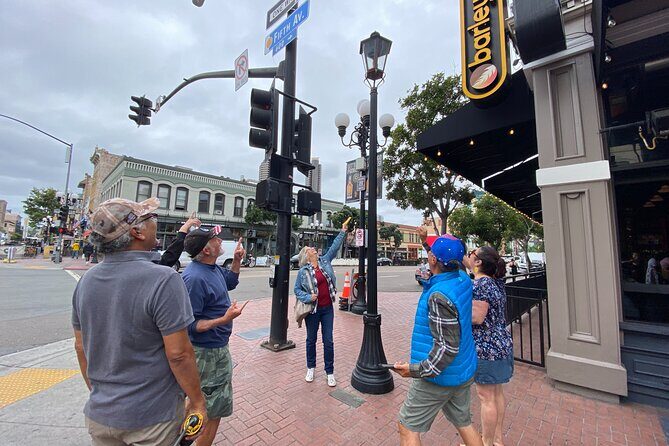
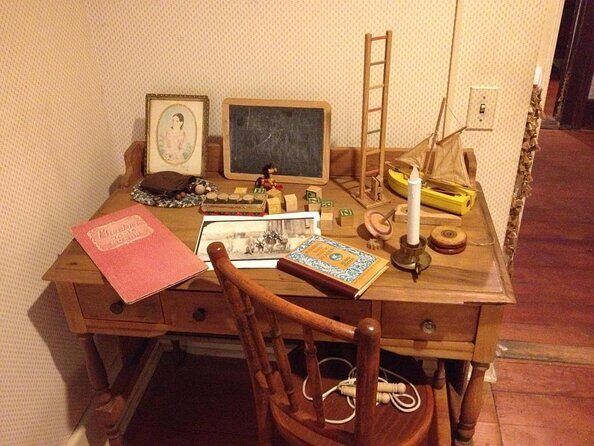
From the theatre, you move to Horton Plaza Park, a small green spot with an interesting past. The area was formerly a hitching post and carriage stop, then became a breather for guests visiting the Horton Hotel, thanks to Alonzo Horton. It’s a good reminder that early Downtown movement wasn’t a sleek pedestrian scene—it was arrivals, animals, and logistics.
What I like here is the contrast. You’re standing in a modern-feeling pocket, but your guide connects it to the way people once filtered into the city. It also helps you read the Gaslamp Quarter as more than just “pretty buildings.” It was a working district.
Other Gaslamp Quarter tours we've reviewed in San Diego


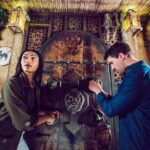


The US Grant: luxury, presidents, and a side of ghosts
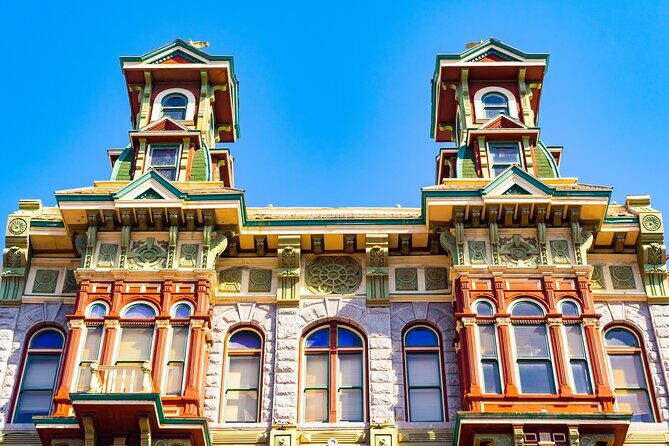
Next comes The US Grant, a Luxury Collection Hotel, built in 1910 and listed on the National Register of Historic Places. It was created by Ulysses S. Grant Jr. and his wife, and the story comes with the kind of money that shows up in details—opulence that you can still sense from the outside. Your guide also frames it as a top destination for presidents and dignitaries who visit San Diego.
And yes, the haunting is part of the package. The tour weaves that lore into the building’s identity rather than treating it as a cheap jump-scare. Even if you’re skeptical, it works because it ties back to what long-term landmarks tend to collect over time: rumors, artifacts, and the human urge to explain the strange.
A practical note: because this stop is about the building itself, don’t expect interactive exhibits here. Bring your curiosity and your powers of observation.
Balboa Theatre: Pan-American cooling waterfalls and wartime upstairs offices
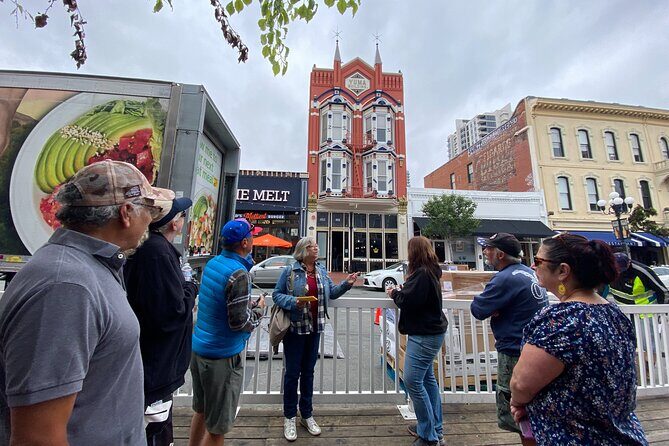
The walk continues to the Balboa Theatre, constructed to coincide with the Pan-American Exposition. One detail I really like: it has two working waterfalls designed as an early cooling system. That’s not just a fun fact—it’s a clue that entertainment spaces were engineered for comfort, not just spectacle.
In World War II, the upstairs offices were used to house sailors heading off to war. So you get two different lenses on the same architecture: showtime glamour, and then a serious civic purpose. If you care about how buildings change jobs as history changes, this stop is a highlight.
Mad House Comedy Club’s Ingle Building: Prohibition-level clever
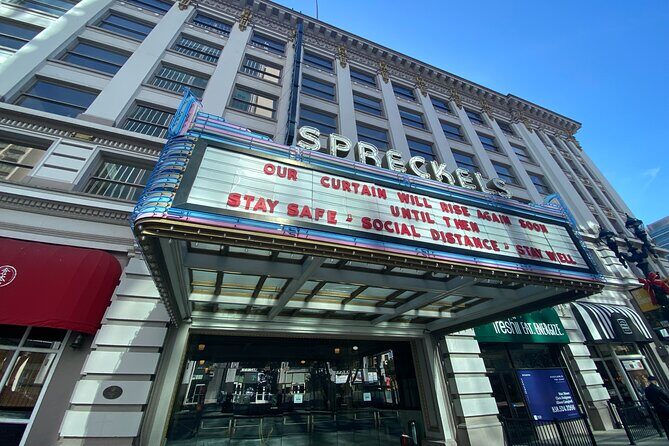
Then you hit the Mad House Comedy Club, which is known historically as the Ingle Building. Your guide connects it to the earlier Ye Old Golden Lion, described as a mens-only restaurant, and then to the way upstairs spaces were used as fronts for men’s clubs that worked around Prohibition laws.
This is the part of the tour where the story gets mischievous—criminal, but also ingenious. The key is that the guide doesn’t just drop names. They explain how the building layout helped people dodge the rules of the day. You’ll likely look at the facade differently afterward.
If you don’t want any talk of shady dealings, you should know this district leans that way. The Gaslamp’s transformation isn’t clean, and the tour is honest about that.
The Louis Bank of Commerce and the Yuma Building: Victorian brick with real characters
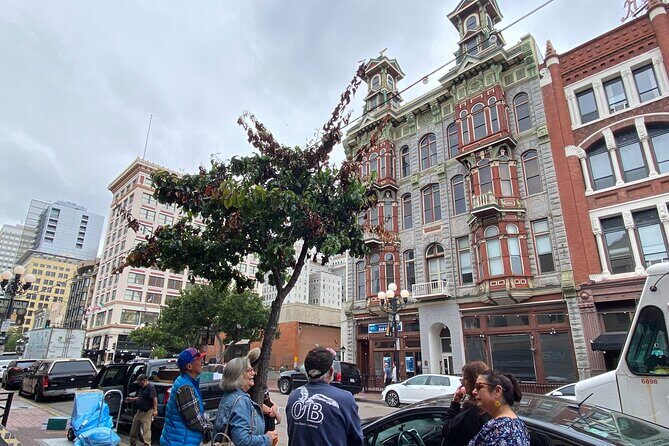
A fan-favorite stop for photo seekers is the Historic Louis Bank of Commerce, one of the most photographed buildings downtown. Here, the stories are unusually specific. The building ties to an infamous San Diego madam who communicated with foreign sailors interested in her Ladies, and it also connects to an oyster bar in the bottom storefront reportedly favored by Wyatt Earp.
Then you move to the Yuma Building, praised for its Victorian architecture made entirely of brick. It was constructed by Captain Wilcox, the same man described as designing the false bay we know as Mission Bay. That connection gives you a bigger-picture sense of how city builders weren’t limited to one project—they shaped multiple pieces of the region.
This pair of stops is a good example of why walking helps. You’re moving through the district, so the stories feel grounded. You can actually place them in the street grid.
Ghirardelli’s early film-house roots
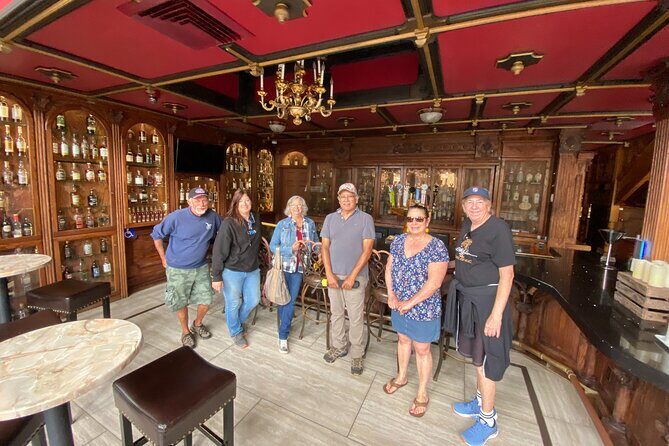
Next is the Ghirardelli Ice Cream & Chocolate Shop, and the tour gives a detail most people miss. It opened in 1913 as a theatre, where you could watch multiple short films—plus a cartoon and a western serial—for ten cents. Now it’s tied to the chocolatier you know today, but the building’s original function is a neat reminder that this district’s entertainment DNA has long roots.
This is a shorter stop, but it’s a satisfying one. It bridges old and new in a way that doesn’t feel forced. You get to see how commercial life repurposes space while keeping the vibe of public gathering.
Davis-Horton House and Horton Grand: oldest structure, moved-in pieces, and ghost lore
At the Gaslamp Museum at the Davis-Horton House, you’re seeing the oldest structure downtown. It’s rumored to be among the most haunted homes in the country, and it has its own unusual physical backstory: it was moved to where it stands today. The Historical Society of San Diego is tied to the site, which helps turn the legends into something anchored in local stewardship.
Then the tour continues to the Horton Grand Hotel, built in 1887. Like several stops here, it has ghost stories—but it also has very concrete movement history. The building was moved to its current location brick by brick, and its original bar and front desk were found in a church basement in New York and returned to the hotel.
This is one of the best sections if you like architecture and urban survival stories. These aren’t just “scary building” claims; they’re about the physical choices people made to keep structures alive in a city that kept changing its mind.
Old Spaghetti Factory building and the Gaslamp Arch finale
Late in the walk, you pass the San Diego Old Spaghetti Factory, located in the old McKenzie, Flint and Winsby building, constructed in 1898. Even if you’re not stopping for a meal mid-tour, it’s worth noting the layering: a district that mixes dining, performance, commerce, and historic structures in a tight footprint.
Finally, you arrive at the Gaslamp Quarter Archway. Your guide frames it as symbolic—an announcement that San Diego committed to continuing redevelopment of Downtown. This is also where the Harry Houdini story lands, including the note that it was his one and only stop in San Diego.
Ending at the arch works well because it wraps the whole walk into a single idea: this district didn’t just survive; it was remade, and the past keeps showing up in the streets.
How to use the guide’s restaurant and nightlife tips
The tour includes time where your guide closes by sharing insider recommendations for what to eat nearby and tips on what else to see and do if you have more time. That’s useful because the Gaslamp has so many options that it’s easy to waste your first night guessing.
Here’s how I’d use it: treat the recommendations as a shortlist, then pick based on your energy level. If you’re still in “history mode,” lean toward things that feel like they match the districts themes. If you’re in “I need food fast” mode, choose the place your guide points to first and commit.
Also, because the walk ends at the Gaslamp Arch, you’ll likely be close to the main corridor for late-afternoon and evening plans. It’s a handy staging point.
Price, timing, and group size: when this tour feels like a deal
This is $39 per person for about 2 hours with a local guide, and the tour is capped at 25 people. That matters because it usually means you get more of the back-and-forth feel than you’d get with huge groups—especially when the guide is pointing out architectural details and telling tight stories.
Another value point: multiple stops list free admission tickets, so your money goes toward the guided interpretation rather than entry fees stacking up. You don’t get food and drink included, so budget for your own lunch or snack before you start and then dinner afterward.
If your schedule allows, booking about a few weeks out can help because this kind of downtown walking tour tends to fill. The data shows it’s commonly booked around 22 days in advance on average, so don’t wait until the last minute if you have a fixed trip day.
Who this walking tour fits best
This tour is a great fit if you:
- want architecture-linked storytelling, not just generic captions
- like history that includes the messy parts, not sanitized versions
- enjoy haunted lore when it’s tied to specific buildings and local details
- want a smart, time-limited activity in the middle of a Downtown day
It might be less ideal if you hate walking, need a fully seated experience, or prefer purely upbeat narratives with zero crime and Prohibition-era references. The Gaslamp’s story includes those chapters, because that’s how the district developed.
Should you book this Gaslamp Quarter walk?
If you’re choosing between a quick glance and a guided, story-filled walk, this is the kind of tour that gives you more than photos. For $39 and about 2 hours, you get a focused route through major historic landmarks: Spreckels Theatre, The US Grant, the Balboa Theatre, the Ingle Building story behind the comedy club, the Louis Bank of Commerce Wyatt Earp oyster bar link, the Yuma Building, the 1913 film-house era at Ghirardelli, and the final Gaslamp Arch with the Houdini connection.
Book it if you like your downtown with context. I’d especially recommend it early in your trip so the rest of the Gaslamp feels easier to navigate afterward.
FAQ
How long is the San Diego Gaslamp Quarter Small Group Walking Tour?
It runs about 2 hours.
How much does the tour cost?
The price is $39.00 per person.
Where do I start and where does it end?
It starts at 121 Broadway, San Diego, CA 92101 and ends at 208 Fifth Ave, San Diego, CA 92101, at the Gaslamp Arch.
What time does the tour start?
The start time is listed as 1:00 pm.
Is food and drink included?
No. Food and drink are not included.
Does the tour include a guide?
Yes. The tour includes a local guide.
Is it a small group tour?
Yes. It has a maximum of 25 travelers.
What happens if the weather is bad?
The tour requires good weather. If it’s canceled due to poor weather, you’ll be offered a different date or a full refund.
If you tell me what day of the week you’re visiting and whether you prefer more ghost stories or more architectural details, I can help you plan what to do right before and right after the 1:00 pm walk.