REVIEW · SAN DIEGO
San Diego: Food Tour of Historic Gaslamp District
Book on GetYourGuide →Operated by Essor · Bookable on GetYourGuide
San Diego has a way of feeding your curiosity. This 3.5-hour Gaslamp District food tour strings together big flavors from Mexico, the Philippines, Italy, and Asia, with a local guide who also explains what shaped Southern California food and street culture. Two things I really like: you get a story-led guide (not just a stop-and-go parade), and the menu keeps changing, so you’re never stuck with the same style of food.
I also like that it starts right where San Diego’s food culture has real roots. You begin at The Lumpia Factory (423 F St) with a traditional lumpia, then the tour moves through downtown with classic San Diego picks like fish tacos and a California burrito. One possible consideration: you’ll be doing a fair amount of walking around the downtown blocks, so comfortable shoes matter.
In This Review
- Key highlights worth planning for
- San Diego’s Gaslamp District, one bite at a time
- Meeting at The Lumpia Factory (and the Tuesday swap)
- First stop: Filipino lumpia and why it sets the mood
- California Meltburger: the classic comfort stop
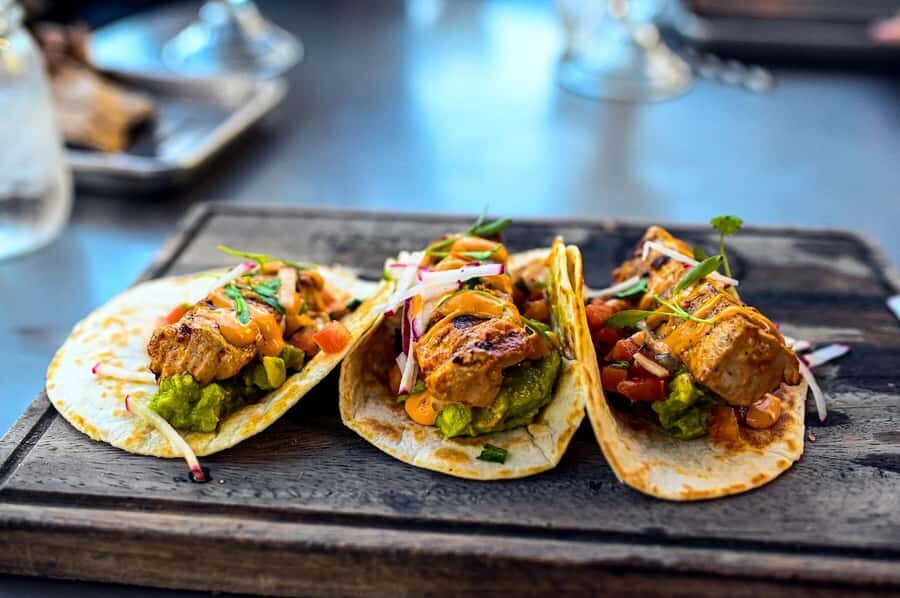
- Baja fish tacos: fresh fish, local style, and real satisfaction
- Walking through the Gaslamp District with culture stories
- Specialty coffee and a California burrito combo
- The secret dish: what happens after the digestive walk
- Price and what you’re really getting for $97
- The guide factor: Richard’s energy and personal touch
- Who this tour is best for
- A few smart things to bring
- Should you book the San Diego Gaslamp District food tour?
- FAQ
- How long is the San Diego Food Tour of the Historic Gaslamp District?
- How much does the tour cost?
- Where do we meet for the tour?
- How will I recognize the guide?
- What’s included in the price?
- Is hotel pickup or drop-off included?
- What should I bring, and is the tour wheelchair accessible?
Key highlights worth planning for
- Filipino lumpia at The Lumpia Factory to set the tone with a southern California staple
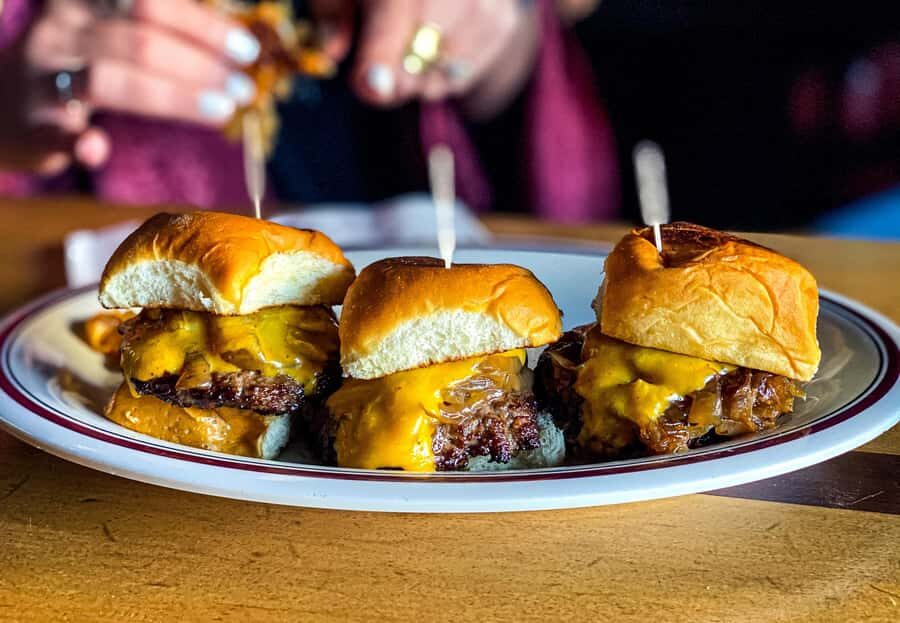
- California Meltburger as a quick, classic detour on the Main road feel
- Baja fish tacos that focus on fresh fish and local style
- Gaslamp District walking stories that connect food to the neighborhood’s past
- Specialty coffee plus a California burrito for a very San Diego combo
- A secret dish at the end after your “digestive walk”
San Diego’s Gaslamp District, one bite at a time
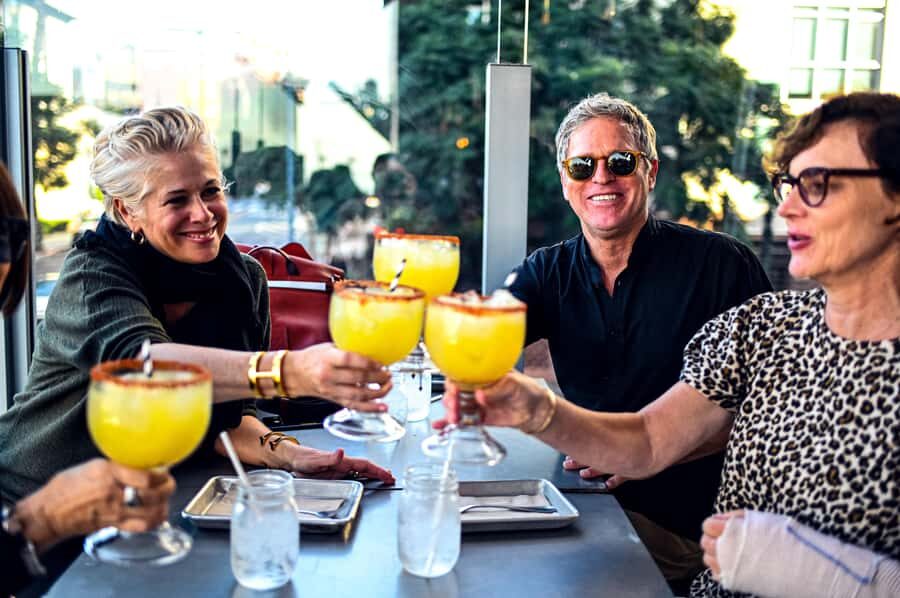
If you’ve ever wondered why San Diego tastes the way it does, this tour is a fast answer. The Gaslamp District is the setting, but the real theme is how food traveled here and got remixed. Over about 3.5 hours, you’ll hit multiple spots that reflect different communities, then you’ll get the guide’s take on how these cuisines show up in everyday ordering.
You should think of it as two experiences mixed together: a snack run and a mini history lesson you can eat. One reason the guide approach works so well is that you’re not just collecting flavors. You’re learning what people were building, adapting, and sharing to make the modern San Diego food scene.
Other San Diego tours we've reviewed in San Diego


Meeting at The Lumpia Factory (and the Tuesday swap)
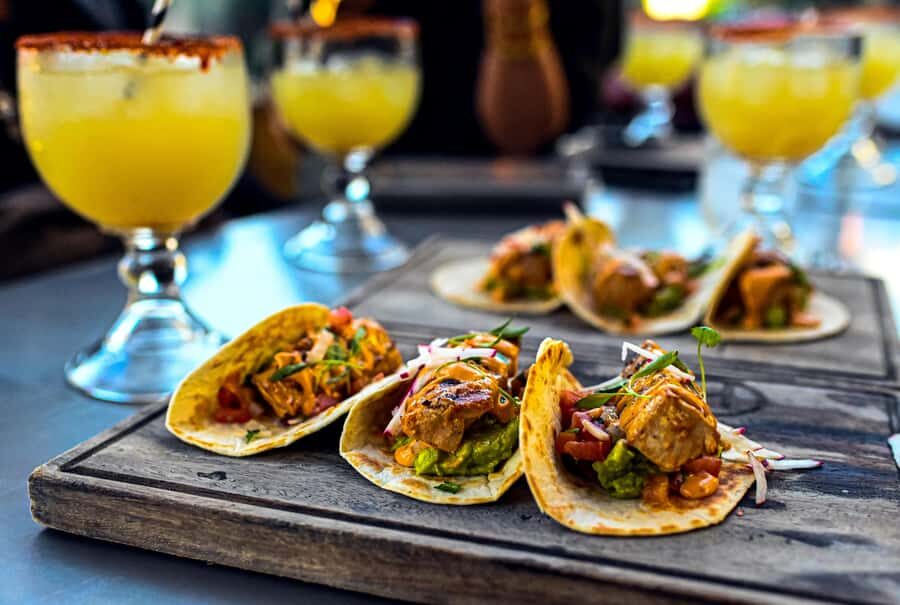
Your tour starts at The Lumpia Factory, 423 F St, San Diego, CA 92101. Your guide will be easy to spot: they hold an orange umbrella. The tour ends back at the meeting point, so you don’t have to worry about transit back to the start area.
There’s one schedule detail to know: Tuesdays meet at Mimoza, 409 F St, San Diego, CA 92101. If you’re comparing plans across weekdays, double-check that detail so you show up at the right block.
Plan on arriving a few minutes early. Downtown meeting points can be busy, and it’s nice to settle in before the first food shows up.
First stop: Filipino lumpia and why it sets the mood
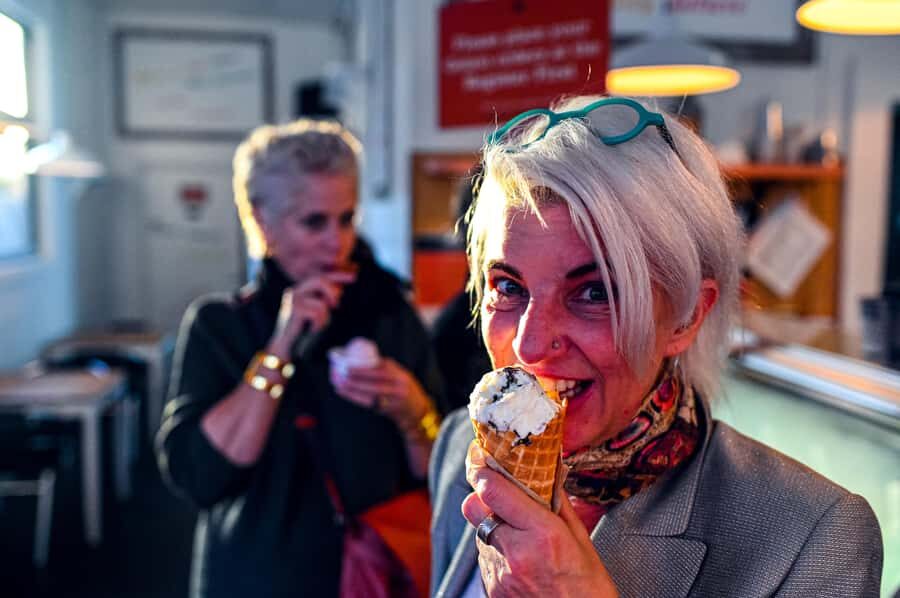
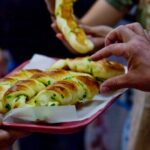
The tour begins with Filipino culture at The Lumpia Factory, with a traditional lumpia featuring various flavors. This matters because it gives you more than a crunchy starter. Lumpia is the kind of food that shows how immigrant cuisines became part of everyday California life—street-friendly, easy to share, and flexible enough to come in lots of styles.
You’ll get the sense that the tour isn’t randomly picking dishes. It starts with a base of regional influence, then builds outward. If you’re the type who likes learning why a city eats the way it does, this opening works. It also helps you pace yourself. Lumpia is filling, but it doesn’t weigh you down for what comes next.
California Meltburger: the classic comfort stop
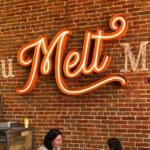
Next up is a California Meltburger on the Main road. This is the kind of bite that feels like “San Diego in one order.” Think comfort food energy—good for travelers who want something familiar, but still local enough to make the tour feel worth it.
This stop also helps break the pattern. After the lumpia, switching to a burger keeps things interesting and gives your stomach a different kind of rhythm. If you’re hungry and trying to stay open-minded, this is a smart bridge: it’s not a strange detour, but it’s still part of the city’s identity.
Baja fish tacos: fresh fish, local style, and real satisfaction
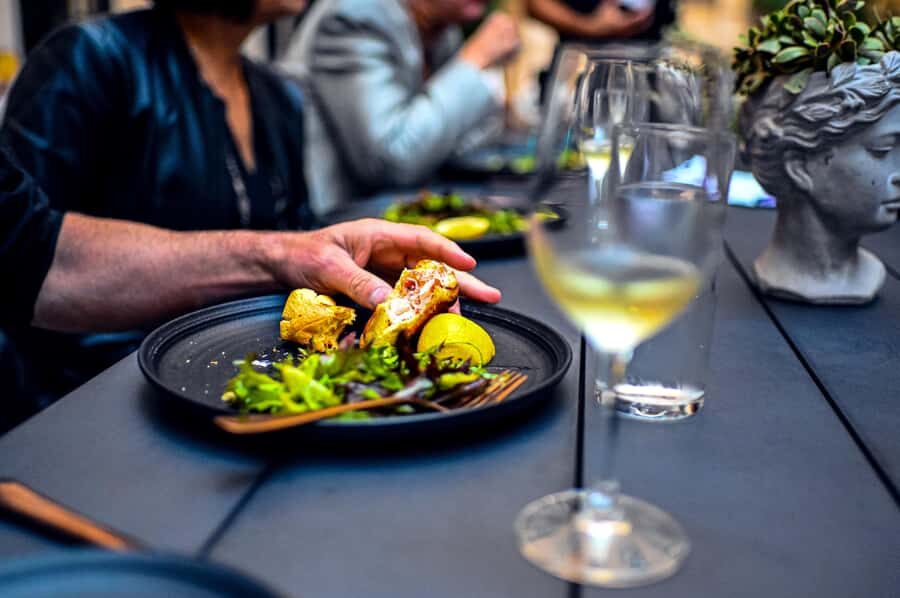
Then comes one of the highlights: Baja tacos—specifically local fish tacos. San Diego has a legitimate reputation for fish tacos, and this is the moment the tour leans into that strength. The focus here is simple: fresh fish and local-style preparation.
A practical tip: if you’re sensitive to heat or spice, pay attention when you’re ordering, especially with toppings. The tour is built for you to try what’s offered, but you can still steer your comfort level.
This stop is also one of the reasons the tour earns its “you’ll leave full” reputation. Fish tacos are satisfying without being heavy, so they work well as a mid-tour peak.
Other Gaslamp Quarter tours we've reviewed in San Diego

Walking through the Gaslamp District with culture stories
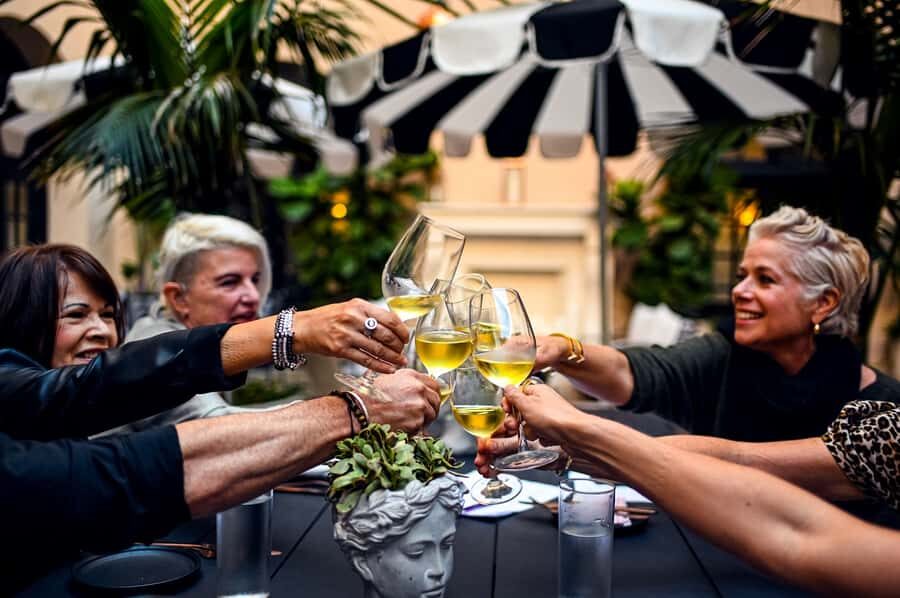
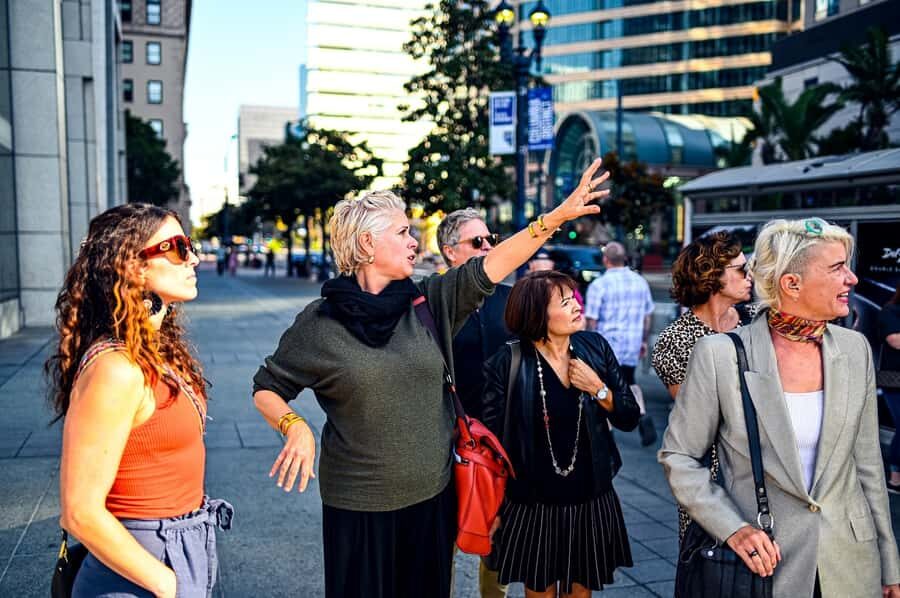
After the food, you’ll be moving through the Gaslamp District. This part isn’t just for views. It’s where the guide ties the neighborhood to the flavors you’re eating. The Gaslamp area has a street-level identity, and hearing how different communities and time periods shaped the city makes the whole tour click.
You’ll also notice the tour structure supports digestion. The walking isn’t endless, but it’s enough to keep things comfortable between tastings. If you’ve ever done food tours where you feel like you’re eating nonstop, this one spreads things out in a way that feels less chaotic.
One more reason I like this approach: it helps you connect the dots after the tour, when you’re back on your own. You’ll start spotting food references in menus and casual conversations in the neighborhood.
Specialty coffee and a California burrito combo
Next comes specialty coffee, followed by a California burrito. This pairing hits two smart travel needs at once. Coffee resets your palate, and the burrito brings you back to a big, iconic San Diego order.
The burrito stop is especially useful if you’re the kind of traveler who’s trying to do “one real thing” instead of chasing restaurant names. The California burrito is familiar to many visitors, but on a tour, you get it in a context that makes it feel like part of the city’s story, not just a quick meal.
If you want to get the most out of the coffee, take a quick moment to notice the flavor direction—coffee can be bright or darker depending on the beans and roast style. That small attention makes the next bite more distinct.
The secret dish: what happens after the digestive walk
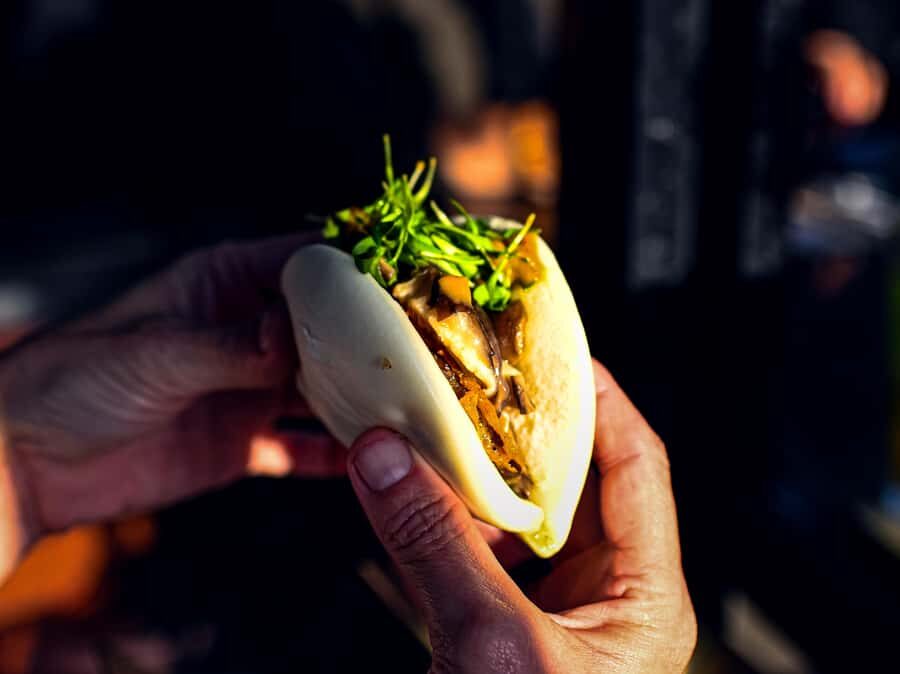
After a digestive walk, the tour ends with a secret dish. The “secret” part matters because it keeps the last stop fun and keeps your expectations from becoming too predictable. By the time you reach this course, you’ll probably be hungry in a different way—not just empty stomach hungry, but “I want something good and different” hungry.
This is also the best time to pace yourself with water. You’ve had a mix of textures—crispy lumpia, burger comfort, fish tacos, and a big burrito—so the final dish feels like the finale rather than the repeat button.
In practice, plan to save a little appetite. If you snack too much on your own before the tour, the last stop can feel like work instead of a treat.
Price and what you’re really getting for $97
At $97 per person, this isn’t a tiny snack sampler. It is, however, a guided food experience built around multiple tastings over 3.5 hours, with a local guide and the key foods you can’t easily line up on your own in one smooth route.
Here’s how I think about value on tours like this:
- You’re paying for coordination. You’re not spending your time hunting down where to eat, then ordering separately, then trying to fit it around your day.
- You’re paying for context. A passionate guide turns meals into a story. That’s part of why people rate this tour highly.
- You’re paying for variety. You’re not eating just one type of cuisine. You’re getting influences from multiple regions, including Filipino starters and Mexican favorites, all in one downtown walk.
If your goal is “two bites and done,” you might feel it’s pricey. If your goal is to spend a satisfying afternoon learning San Diego through food, the price starts to make sense quickly.
The guide factor: Richard’s energy and personal touch
The biggest praised aspect is the guide experience. One review specifically calls out Richard, describing him as amazing, and noting how he made the tour feel personal. Another mentions the guide being kind and energetic. That combination—warm energy plus solid local insight—is exactly what you want on a food tour.
It’s also clear the guide doesn’t treat the tour like a script. People appreciate hearing culture and history alongside what they’re eating, not after the fact. If you care about understanding a city instead of just consuming it, that matters.
Who this tour is best for
This tour fits best if you’re:
- Visiting for the first time and want a fast, flavorful way to understand San Diego
- Interested in how different cuisines show up in everyday downtown ordering
- The type of traveler who likes walking with a purpose (short blocks, food stops, stories)
- Looking for an afternoon plan that ends with you feeling properly satisfied
It may be less ideal if you:
- Hate walking in downtown areas for long stretches
- Have very strict dietary needs (the tour data doesn’t specify customization details, so you’ll want to check before booking)
- Prefer to self-pace entirely, with no guide structure
A few smart things to bring
You’ll do better if you show up ready to move.
Bring:
- Comfortable shoes (seriously)
- A camera if you like capturing street scenes and food photos
If you’re traveling with kids, children are welcome if they’re of an appropriate age to enjoy. For strollers, the tour can accommodate them, but it will be difficult at one of the stops. If that’s your situation, confirm ahead.
Should you book the San Diego Gaslamp District food tour?
I’d book it if you want a San Diego afternoon that’s more than eating. The guide-led format, the mix of cuisines, and the Gaslamp District walk give you both flavors and context, and that’s why people rate it so highly.
Skip it only if you’re not comfortable with a walking-based route or if you’re trying to spend less time in a guided group experience. With multiple stops and a final secret dish, this tour rewards travelers who like variety and who want to leave full and informed.
FAQ
How long is the San Diego Food Tour of the Historic Gaslamp District?
The tour lasts 3.5 hours.
How much does the tour cost?
The price is $97 per person.
Where do we meet for the tour?
Meet at The Lumpia Factory, 423 F St, San Diego, CA 92101. On Tuesdays, the meeting point is Mimoza, 409 F St, San Diego, CA 92101.
How will I recognize the guide?
Your guide will be holding an orange umbrella.
What’s included in the price?
The tour includes a passionate guide and food.
Is hotel pickup or drop-off included?
No. Hotel pickup and drop-off are not included (private tours may offer it upon request).
What should I bring, and is the tour wheelchair accessible?
Bring comfortable walking shoes and a camera. The tour is wheelchair accessible, and it can accommodate baby strollers, though one stop will be difficult.