REVIEW · LA JOLLA
Explore San Diego Tide Pools with a Marine Biologist
Book on Viator →Operated by SnorkelMatt · Bookable on Viator
Tide pools teach you fast. In La Jolla, you’ll join marine biologist SnorkelMatt for a guided walk through rocky tide pools, where you learn what lives there and why it survives when the ocean recedes.
Two things I really like: the safety and stewardship rules are clear (and taken seriously), and you get a digital photo album after the tour. I also love how the hour feels geared to real families and real attention spans.
The main catch is practical: plan on wet, slippery rock and bring closed-toe, water-friendly shoes or you’ll feel it in your feet right away.
In This Review
- Key highlights before you go
- Why La Jolla tide pools make such a good “in-the-field” visit
- Meet SnorkelMatt at 333 Coast S Blvd and get the tide pool rules
- The 1-hour rhythm: how the tour typically plays out on the rocks
- What you’ll learn: reading the tide pool like a mini ecosystem
- Photo album + photo opportunities: take home more than memories
- What to wear on wet sandstone (and why footwear is non-negotiable)
- Kids, adults, and mixed groups: why this works for families
- Price and value: why $32 can feel like a lot of work… in a good way
- Quick practical tips to get the most out of your hour
- Should you book this La Jolla tide pool tour?
- FAQ
- How long is the Explore San Diego Tide Pools with a Marine Biologist tour?
- How much does the tour cost?
- Where do I meet for the tour?
- What’s included in the price?
- Do I need closed-toe shoes?
- What language is the tour offered in?
- Are there limits on group size?
- Can I collect or touch sea life?
- What if the weather is bad?
- When will I receive confirmation after booking?
Key highlights before you go
- Marine biologist guide (SnorkelMatt) with a conservation biology background
- Short, focused timing around 1 hour, ideal when you don’t want a long trek
- No-collection and no-handling expectations so the tide pool ecosystem stays intact
- Photo-friendly stops plus a digital photo album included
- Small groups up to 15 people, so questions actually get answered
- Great for kids and adults, with pacing that works across ages
Why La Jolla tide pools make such a good “in-the-field” visit
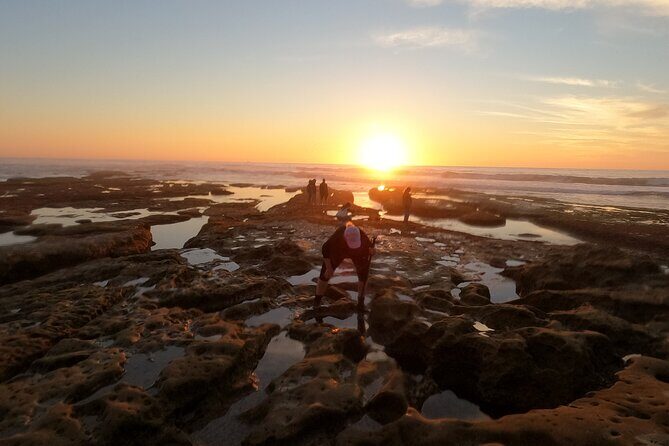
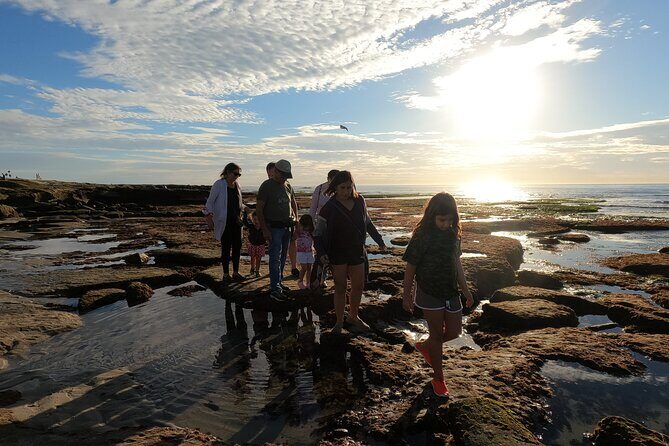
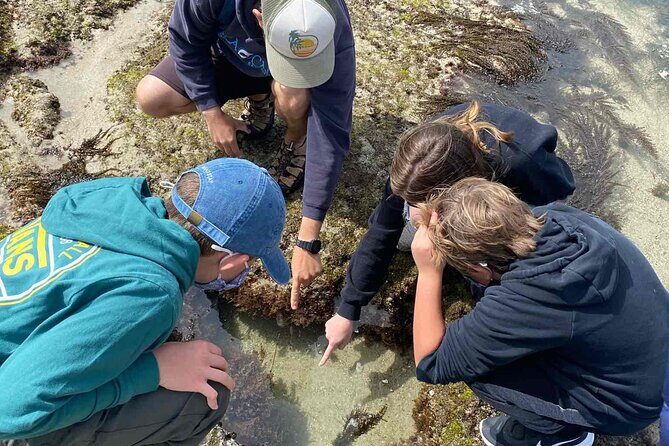
If you’ve ever looked at the ocean and wondered what’s happening right at the edge, tide pools answer that question in a hurry. At low tide, water gets trapped in rock hollows. That creates a tiny, temporary world where algae, snails, crabs, fish, and all kinds of marine life squeeze into the gaps between rocks and survive big changes in temperature and moisture.
What makes this experience especially useful is the translation. Instead of just pointing at things, SnorkelMatt helps you understand adaptations—how organisms hold on, feed, and avoid getting cooked by the sun or dried out when the tide goes out. You start seeing patterns, not random blobs of sea life.
I also like the vibe: this isn’t a museum talk. It’s a walk where you can ask questions on the spot, and where the rules for protecting wildlife are treated like part of the science, not an afterthought.
Other San Diego tours we've reviewed in La Jolla


Meet SnorkelMatt at 333 Coast S Blvd and get the tide pool rules
Your tour starts at 333 Coast S Blvd, La Jolla, CA 92037. Expect a brief setup before you head out onto the rocks. The big point up front is safety and tide pool etiquette, because every San Diego tide pool has a strict no collection policy.
That matters more than it sounds. When people pick things up, they break the thin, fragile system that took millions of years to get balanced. And when you handle animals, you can stress them, crush them, or expose them to air longer than they can handle. The tour’s animal welfare approach reinforces this: you observe rather than interfere, following the same no-touch, no-handling spirit for living creatures.
SnorkelMatt also does the “how to look” coaching early, so you’re not just walking around hoping to get lucky. You’ll learn what to watch for and how to approach tide pooling without rushing.
The 1-hour rhythm: how the tour typically plays out on the rocks
This is an approx. 1-hour experience, and it’s built to stay tight and enjoyable. You’re not out there all day on unpredictable footing. Instead, you’ll move through the tide pool area in a way that helps you catch more than you would on your own.
Here’s the typical flow you can expect:
First, you start with that safety and etiquette briefing at the meeting point. Then you head out to the rocky intertidal area. The guide guides your eyes as you look across different micro-zones—areas that look similar at first glance but can be totally different under the surface.
As you explore, SnorkelMatt helps you identify what you’re seeing and connects each creature or plant to how it survives there. The best part is that the tour stays flexible. Even in a mixed group, you’ll have room to pause for questions and keep looking at the things that catch your attention.
And you should expect photo time. The highlights call out plenty of photo opportunities, and several people mention photos being part of the experience. That also helps you slow down, because tide pools don’t reward sprinting.
What you’ll learn: reading the tide pool like a mini ecosystem
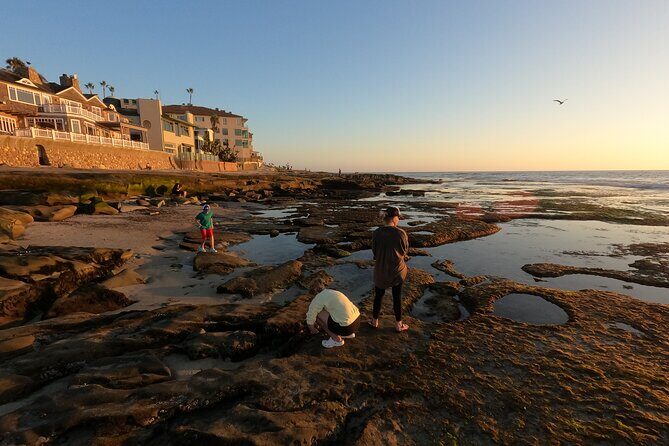
Tide pools are small, but they’re not simple. The whole “why are these creatures here?” question becomes clear when you understand that the tide pool is a holding tank. Half the day it’s underwater during high tide. The other half it’s exposed at low tide. That swing changes moisture, oxygen availability, temperature, and how quickly creatures can avoid stress.
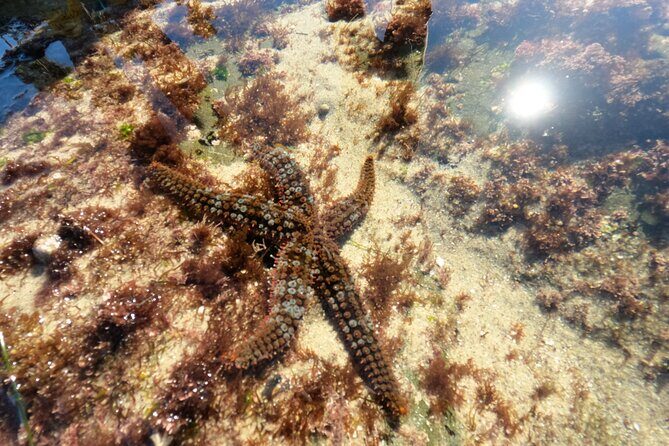
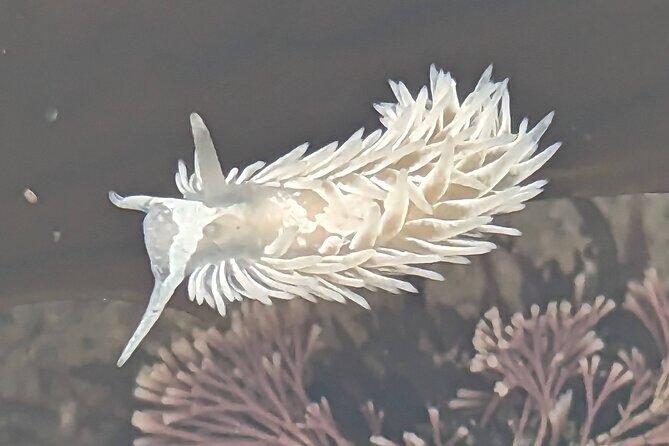
During the tour, you’ll learn about the variety of animal and plant life that manage those swings, and you’ll hear about the adaptations that let them hang on. For example, you’ll start noticing how some organisms cling tightly, how others blend into the rock or use hard structures, and how feeding happens in patterns that match the tides.
One of the most valuable parts for me is the stewardship message. The guide emphasizes what to leave alone and why. It’s not just about rules—it’s about understanding the ecosystem so you know what you’re protecting. That way, after the hour is over, you’re more likely to return to tide pools with the right mindset instead of treating them like a quick photo stop.
Photo album + photo opportunities: take home more than memories
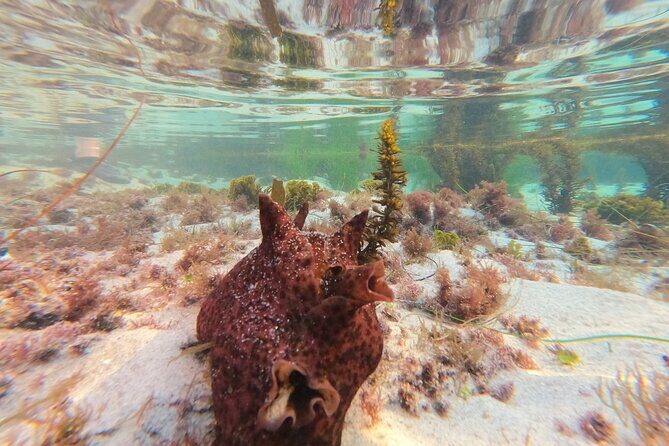
You get more than a couple snapshots on your phone. A digital photo album is included, and people specifically mention receiving photos after the tour.
So even if you’re the kind of person who misses details while trying to frame a shot, you’re still likely to leave with images of the key sightings. That’s a big value add for a one-hour outing. It turns your visit into something you can share and review later, and it helps you remember what you learned because you can match names to visuals.
Practical note: photos are easiest when you slow down. Tide pools are busy little neighborhoods. If you’re rushing from rock to rock, your photos will blur, and your brain will too. The guide’s pacing helps you linger where it matters.

What to wear on wet sandstone (and why footwear is non-negotiable)
Read this twice: you need closed-toe, strap-friendly shoes that can get wet. The tour requires it for participation. Tide pools are usually built on slick, wet rock and sandstone that can shift underfoot.
Based on feedback you can use right away:
- If you’re coming in cooler months, bring a coat for the breeze.
- Avoid footwear that traps water or makes your feet slip easily.
- If you hate cold, keep that in mind for early or breezy conditions near the coast.
Also, wear shoes you can trust. You’re going to be stepping carefully. The guide will help you feel comfortable, but you’re still the one standing on the rocks.
Kids, adults, and mixed groups: why this works for families
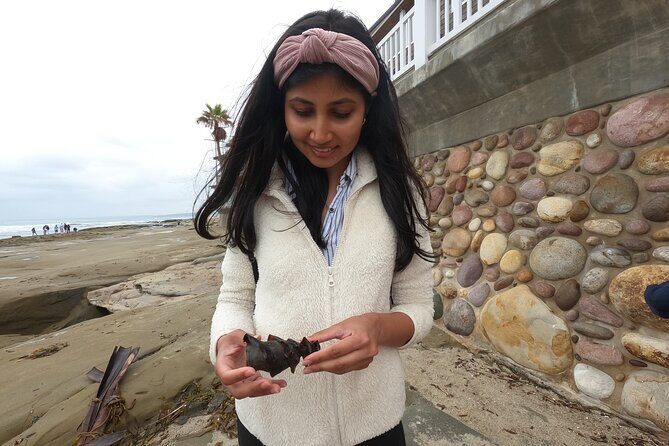
This tour is built for all ages, and it shows. People describe it as fun for kids and adults alike, including families with children ranging from very young ages to school-age kids.
What I think makes it work is how SnorkelMatt teaches. He uses humor and plain language so adults understand the science, while kids stay engaged. One review notes a former-teacher style, which makes sense because the tour is basically a living science lesson delivered outdoors.
The pacing also helps. Several people mention the guide being patient with kids and allowing the group to move at a relaxed pace. For families, that’s huge. Tide pooling with kids can be chaotic unless the guide keeps everyone oriented without rushing.
If you’re coming with a child who loves animals, you’ll likely see that curiosity switch on quickly. If you’re coming with a teen or adult, you’ll still get identification help and context you can use on your own next time.
Price and value: why $32 can feel like a lot of work… in a good way
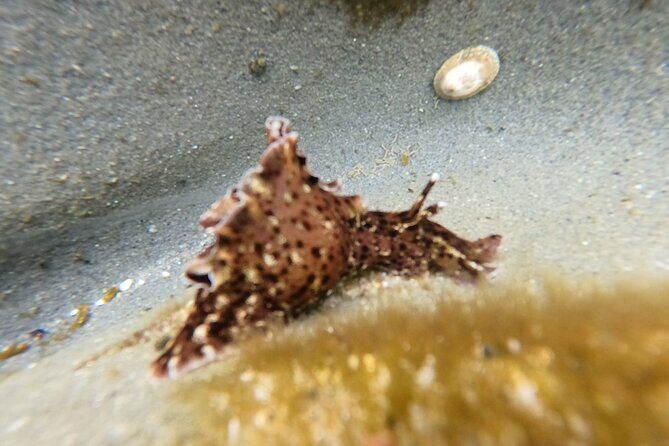
At $32 per person for about an hour, this isn’t a “drive-by” activity. You’re paying for three things that add up fast:
- A marine biologist/conservation biology background
- A small group format (max 15 people)
- Included photo support through the digital photo album
For a one-hour experience, the value depends on whether you’ll learn something you can carry forward. This tour’s goal is to help you leave able to look at tide pools with better instincts: what matters, what’s fragile, what to ignore, and what to protect.
One more practical point: this tour often books ahead. It’s commonly reserved about 20 days in advance on average. If your schedule is fixed, don’t wait until the last minute.
Quick practical tips to get the most out of your hour
Here are a few things that make the biggest difference in how much you enjoy it:
- Bring the right shoes. Seriously, it changes everything.
- Expect you’ll see more when you let the guide set the pace.
- Come ready to ask questions. That’s where the science sticks.
- Plan to stay off “collecting mode.” This is about observing, not taking.
And if you’re local or you’ve visited tide pools before, this still helps. SnorkelMatt focuses your attention on what most people miss when they’re scanning quickly.
Should you book this La Jolla tide pool tour?
If you want a short, family-friendly tide pool outing with real interpretation—not just wandering—this is an easy yes. The standout reasons are the guide (SnorkelMatt), the emphasis on stewardship, and the included digital photo album that gives you a tangible takeaway.
You might skip it if you’re looking for a long hike or a hands-on activity that involves touching wildlife. This tour is structured around respectful observation and safety. It’s also best if you can handle wet, uneven surfaces and will wear the required closed-toe footwear.
If you’re the type who loves learning while walking, and you want to feel more confident exploring tide pools on your own afterward, you’ll probably enjoy it a lot.
FAQ
How long is the Explore San Diego Tide Pools with a Marine Biologist tour?
The tour runs for about 1 hour.
How much does the tour cost?
It costs $32.00 per person.
Where do I meet for the tour?
You meet at 333 Coast S Blvd, La Jolla, CA 92037 and the activity ends back at the meeting point.
What’s included in the price?
The tour includes a digital photo album.
Do I need closed-toe shoes?
Yes. Closed-toe shoes or strapped sandals that might get wet are required to participate.
What language is the tour offered in?
The tour is offered in English.
Are there limits on group size?
Yes. The tour has a maximum of 15 travelers.
Can I collect or touch sea life?
You’ll follow tide pool safety rules and a strict no collection policy, and living marine life is not to be interfered with or handled. The guide follows an animal welfare approach that keeps wildlife undisturbed.
What if the weather is bad?
This experience requires good weather. If it’s canceled due to poor weather, you’ll be offered a different date or a full refund.
When will I receive confirmation after booking?
You’ll receive confirmation at the time of booking, unless you book within 12 hours of travel. In that case, confirmation is received as soon as possible based on availability.